 01
Your first successful filament print
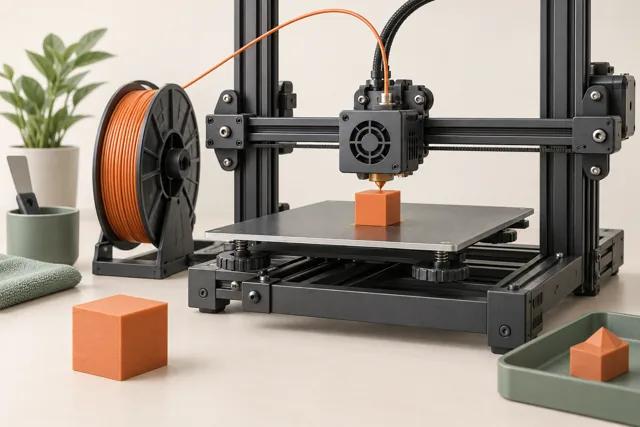
A practical path from a model file to a finished part, with the right profile and a useful first inspection.
Beginner
The learning library
Understand the why behind the how. Practical guides for every stage of making.
On the workbench
A good place to beginCatch missing features, model errors, and unsupported regions before they become failed prints.
Read the guideKeep your curiosity in motion
01A practical path from a model file to a finished part, with the right profile and a useful first inspection.
 02
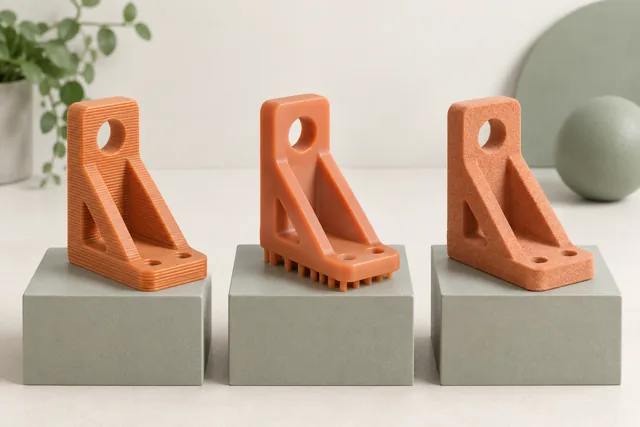
Choose a printing process around the part you need and the complete workflow it requires.
 03
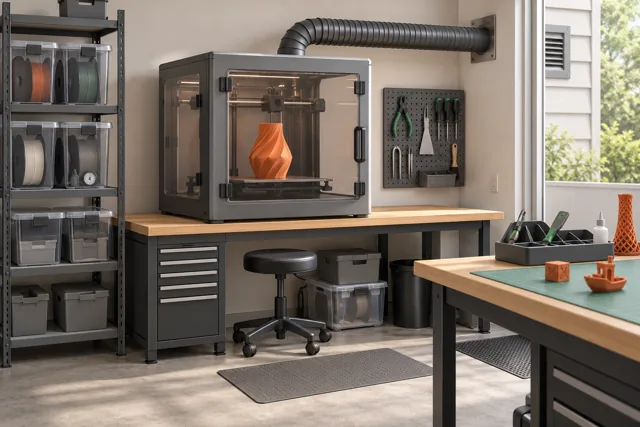
Plan ventilation, working clearances, storage, and routine handling before your first long print.
 04
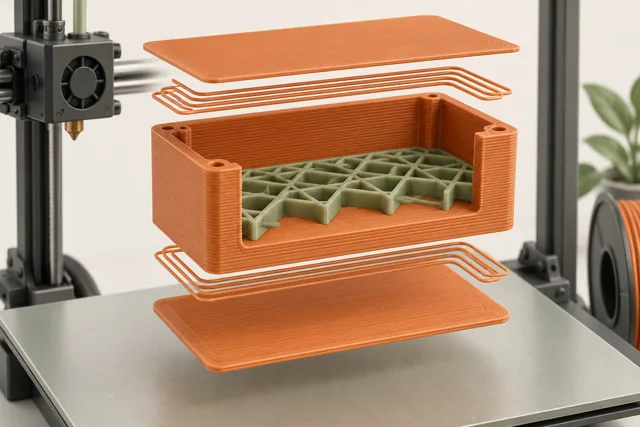
Catch missing features, model errors, and unsupported regions before they become failed prints.
 05
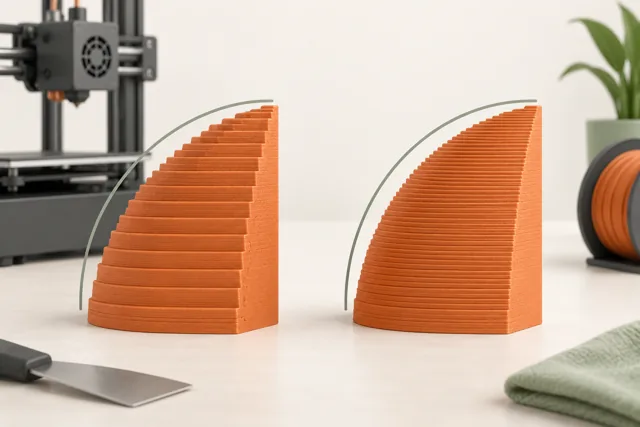
Understand where thinner layers help and where another design or nozzle change matters more.
 06
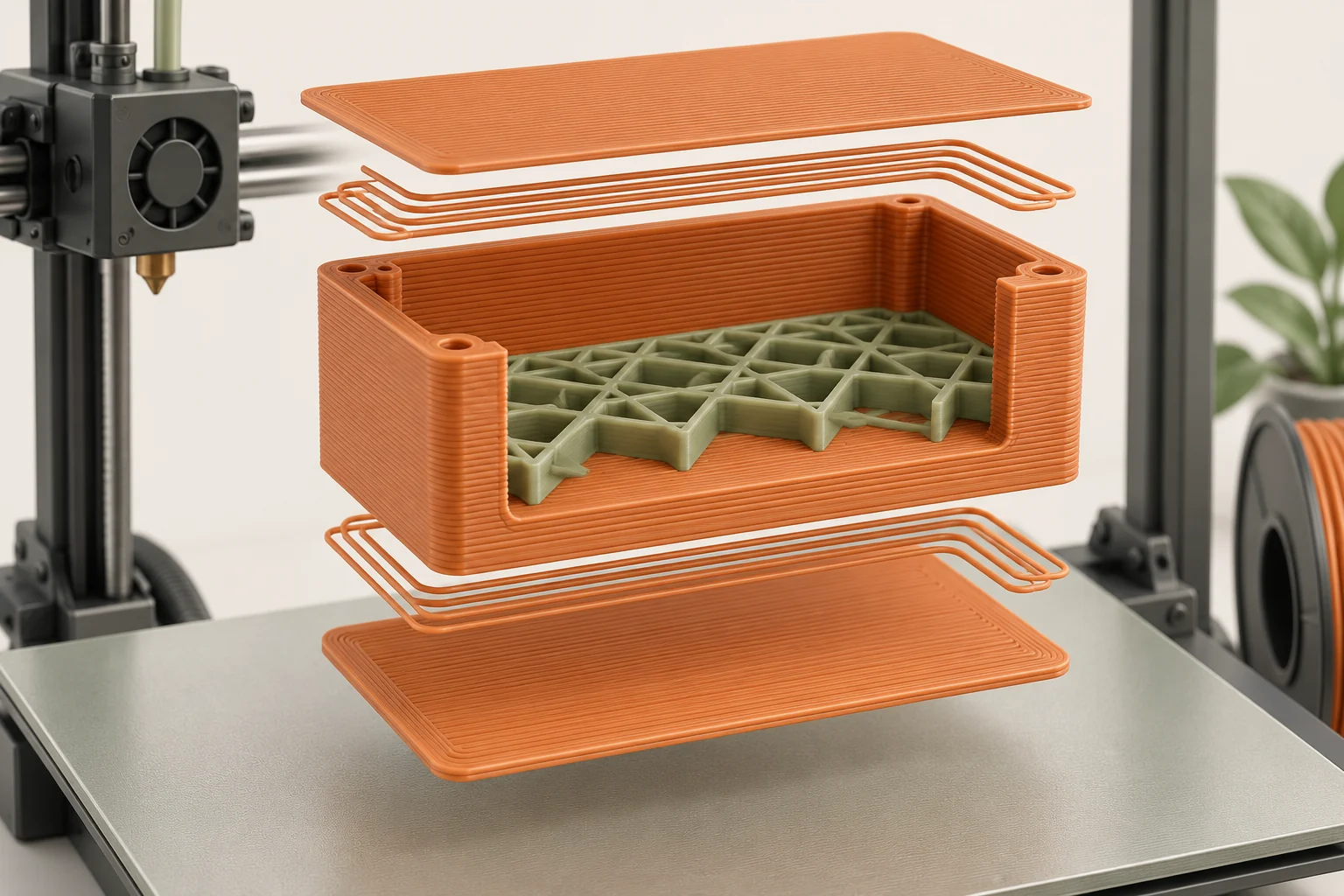
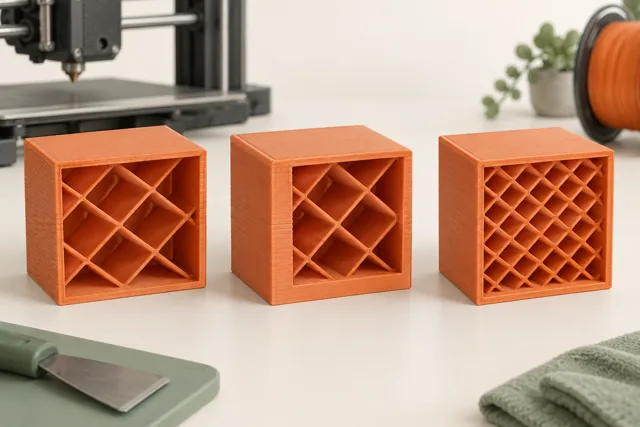
Build the shell and interior around the job, instead of treating infill percentage as a strength score.
 07
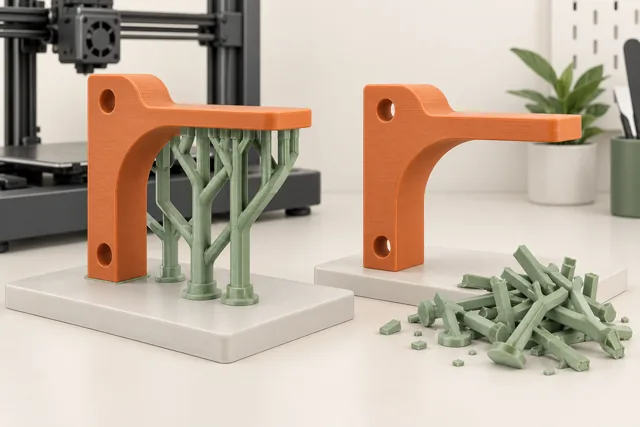
Reduce difficult supports through orientation, selective placement, and a realistic removal plan.
 08
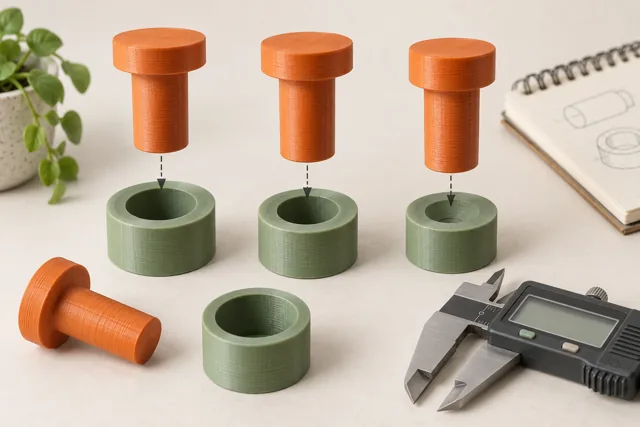
Use clearances, test pieces, and measured feedback to design dependable assemblies.
 09
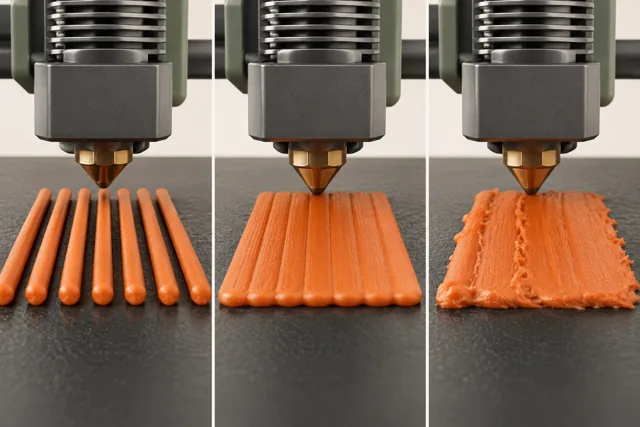
Separate surface preparation, nozzle distance, and footprint problems before changing temperatures.
 10
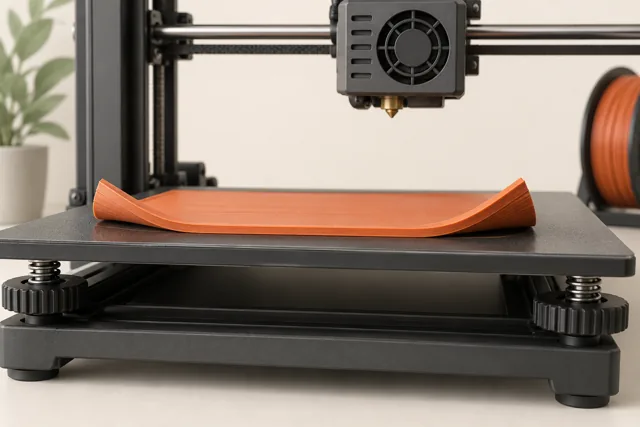
Understand thermal contraction, material choice, and why more bed adhesion is only part of the solution.
 11
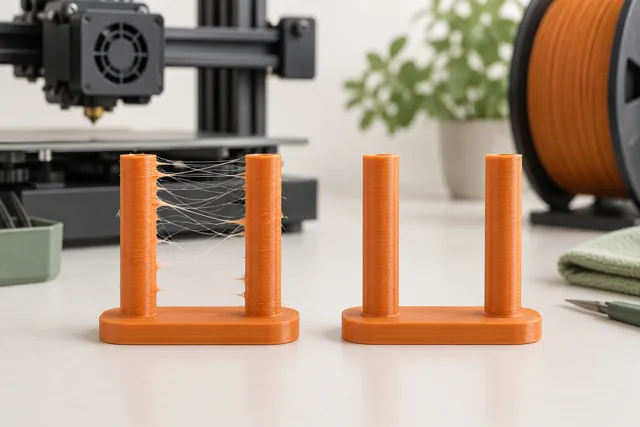
Trace fine strands to nozzle residue, retraction, temperature, or damp filament with controlled changes.
 12
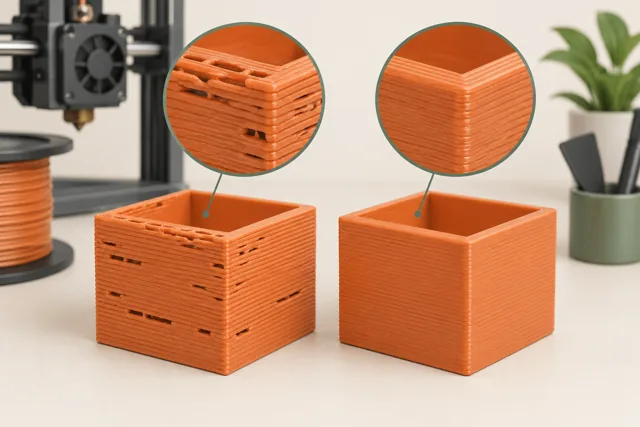
A structured check for gaps, thin walls, clicking extruders, and extrusion that stops mid-print.
 13
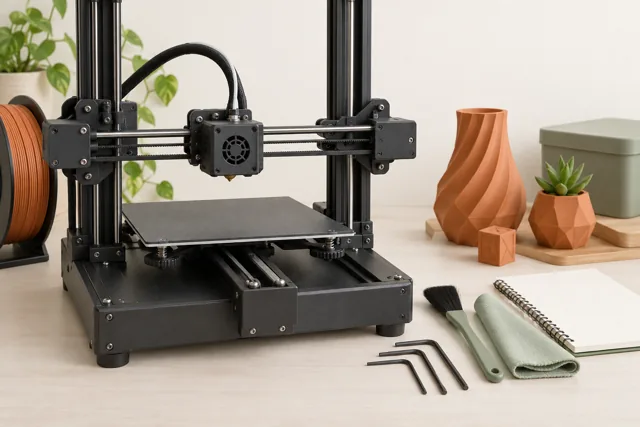
Keep the motion system and material path dependable with checks tailored to your machine.
 14
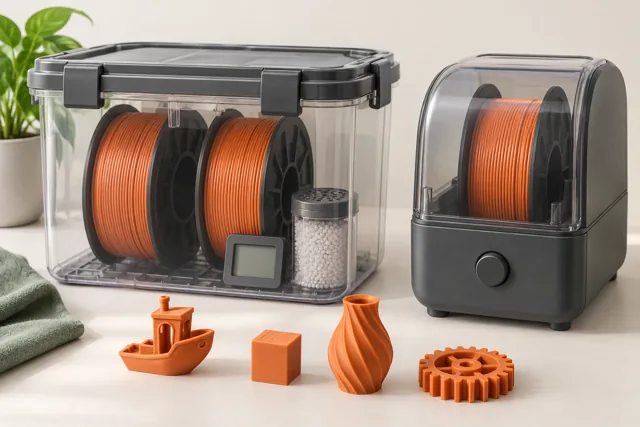
Understand moisture, passive storage, and active drying without applying one temperature to every spool.
 15
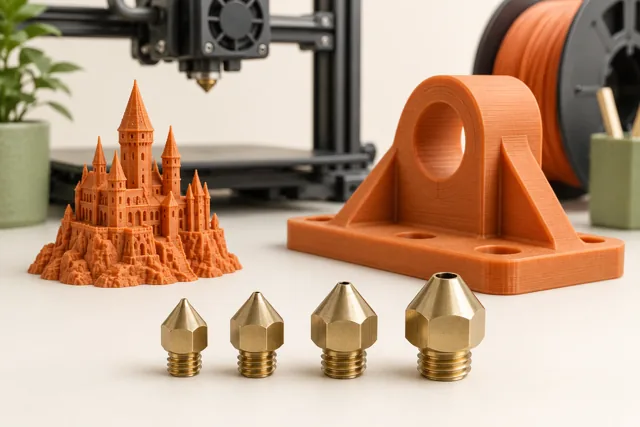
Match detail, throughput, abrasiveness, and slicer profiles to the nozzle actually installed.
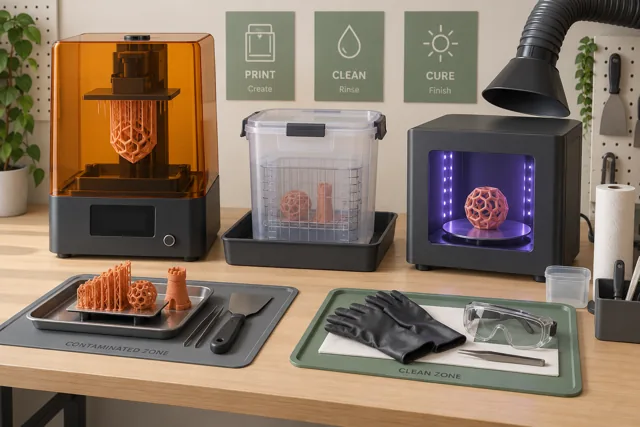 16
Set up printing, washing, curing, and waste handling as one connected process.
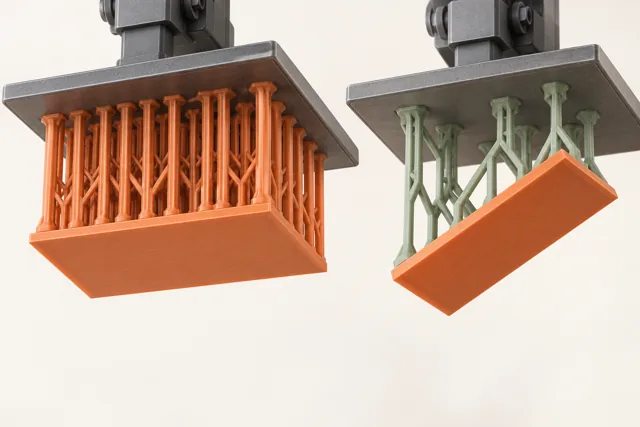 17
Control unsupported islands, changing cross-sections, and support marks with a deliberate orientation.
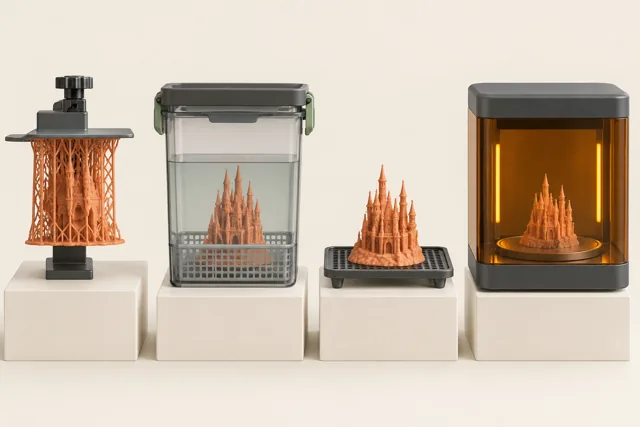 18
Finish the material according to its own instructions and avoid distortion during post-processing.
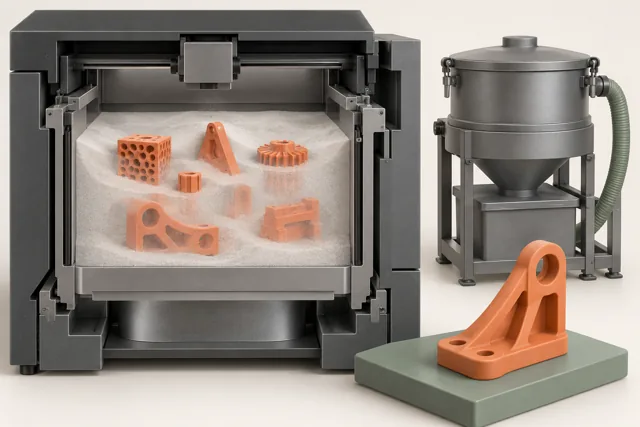 19
Look beyond the laser to cooling, powder recovery, refresh rate, and the true batch turnaround.
 20
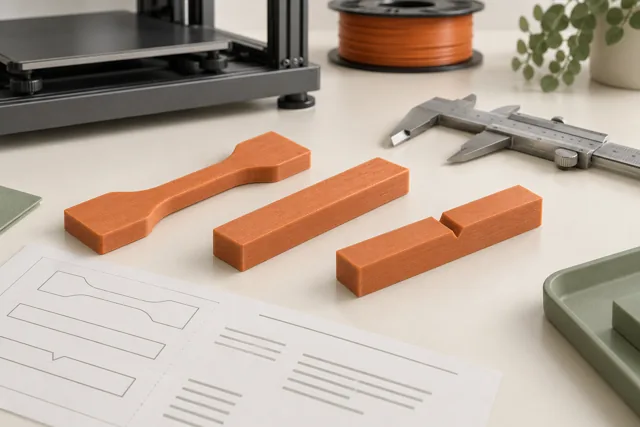
Compare strength, stiffness, temperature, and test conditions without treating marketing names as specifications.
Put your knowledge to work