FDM / FFF
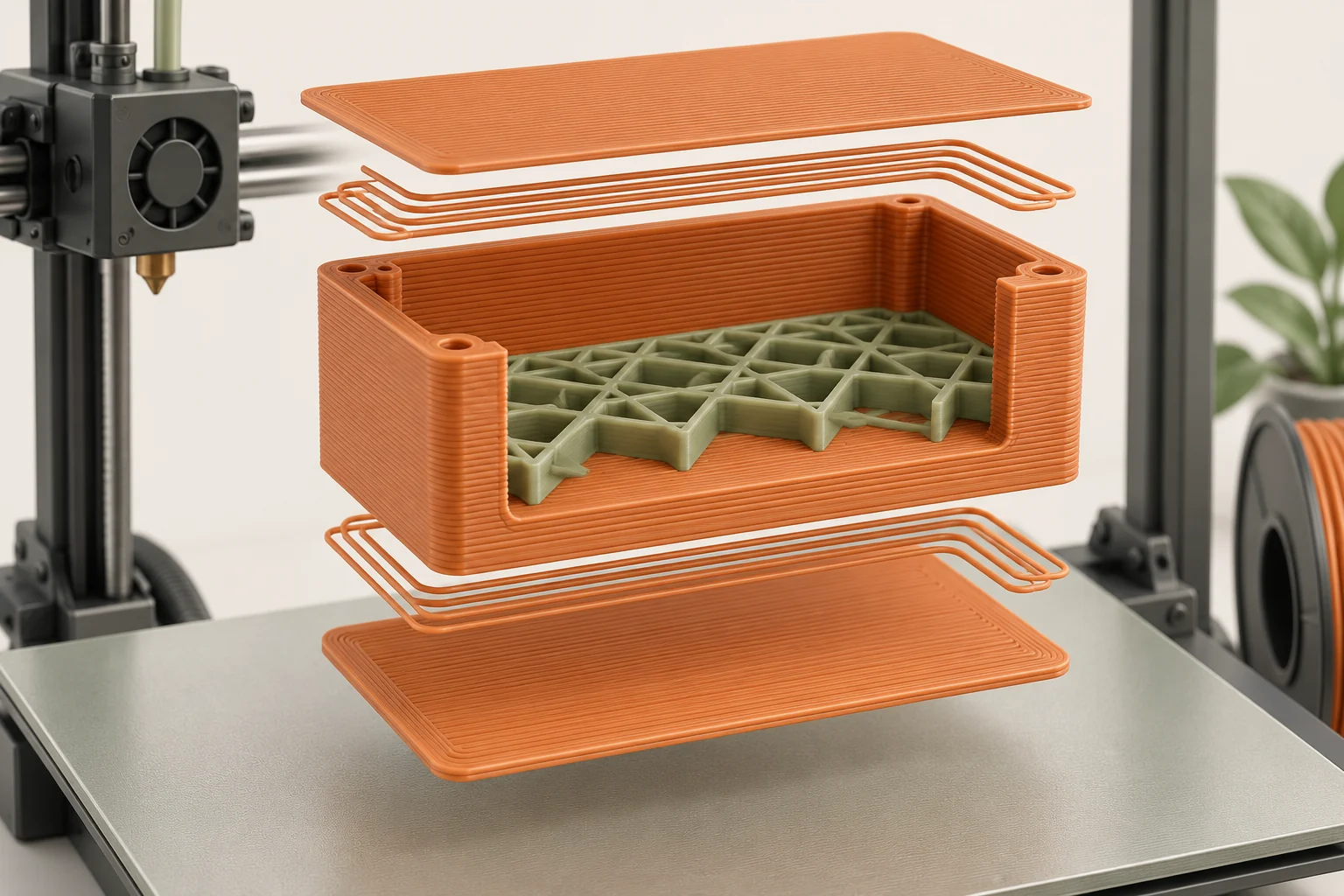
A heated nozzle traces the shape in molten filament. Each pass adds a layer; the toolhead rises as the object takes form.
- Feed and melt the filament
- Trace the cross-section
- Move up. Repeat.
A world of 3D printing
Discover the machines, materials, and ideas
behind a new way of making.

Build with a continuous thread.
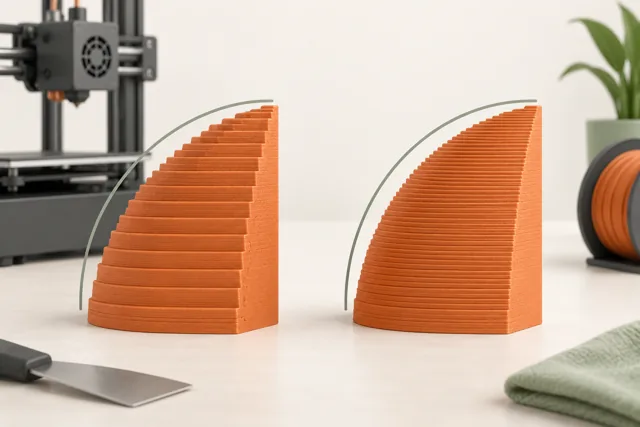
Bring fine details to light.
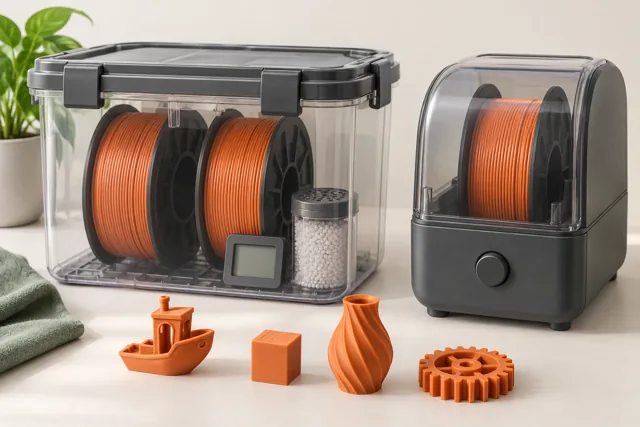
Discover new material possibilities.
Featured brand of the month
October 2026Swipe to explore the full lineup
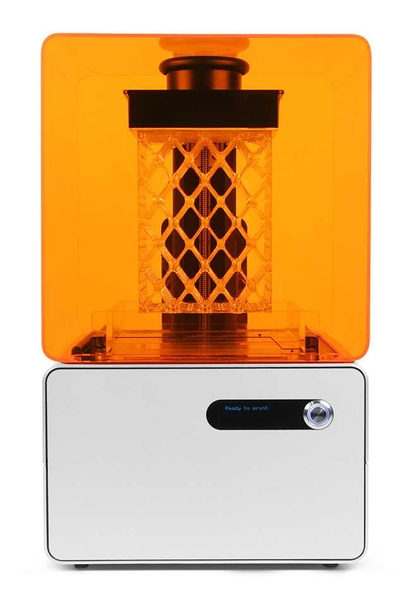 Form 12012Inspect
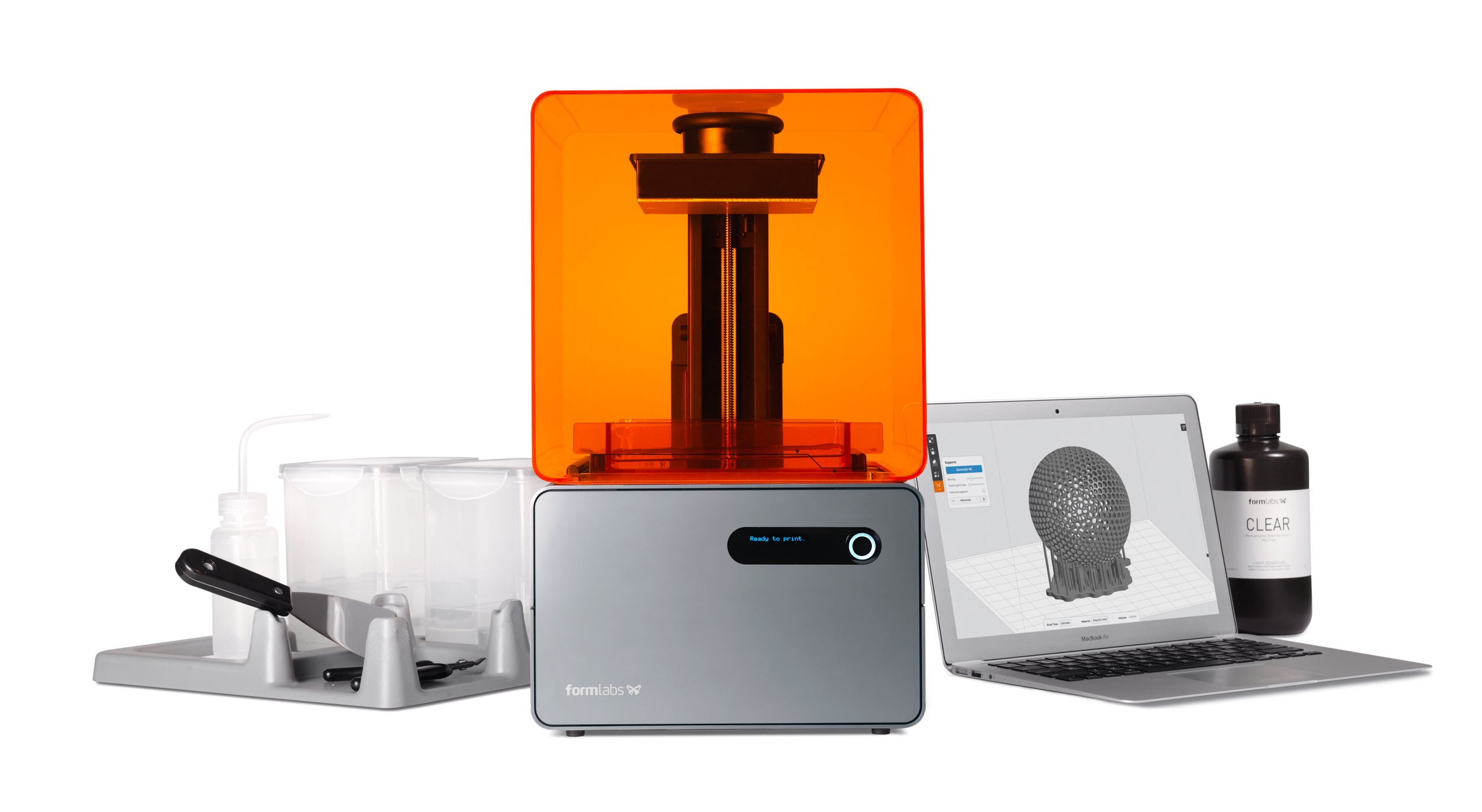 Form 1+2014Inspect
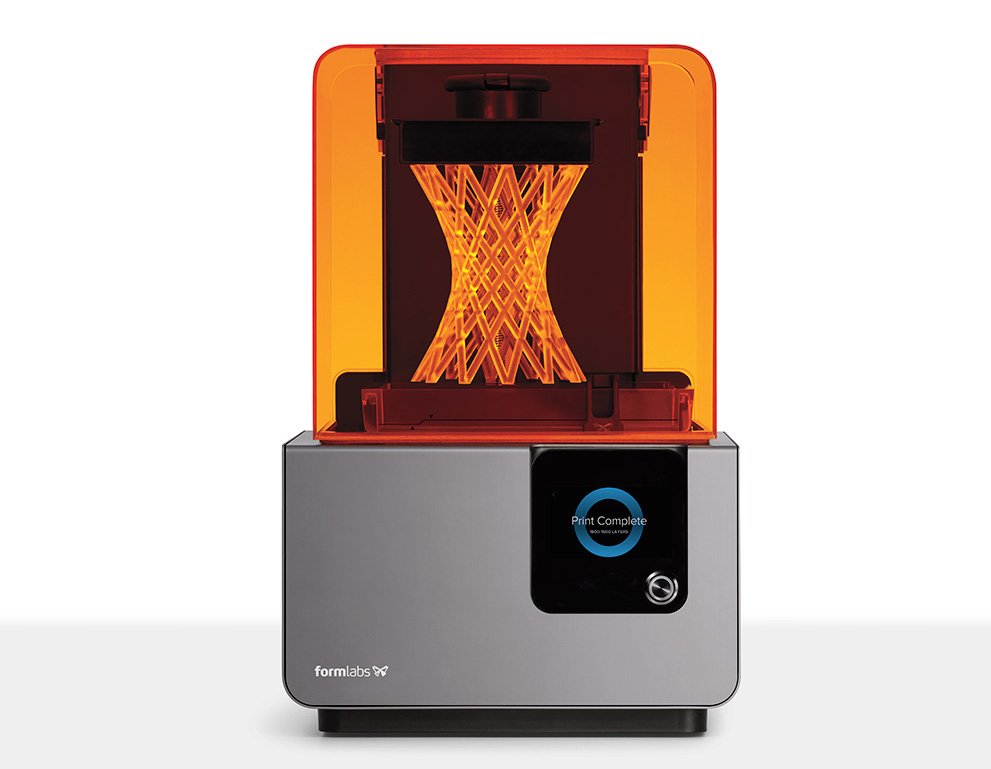 Form 22015Inspect
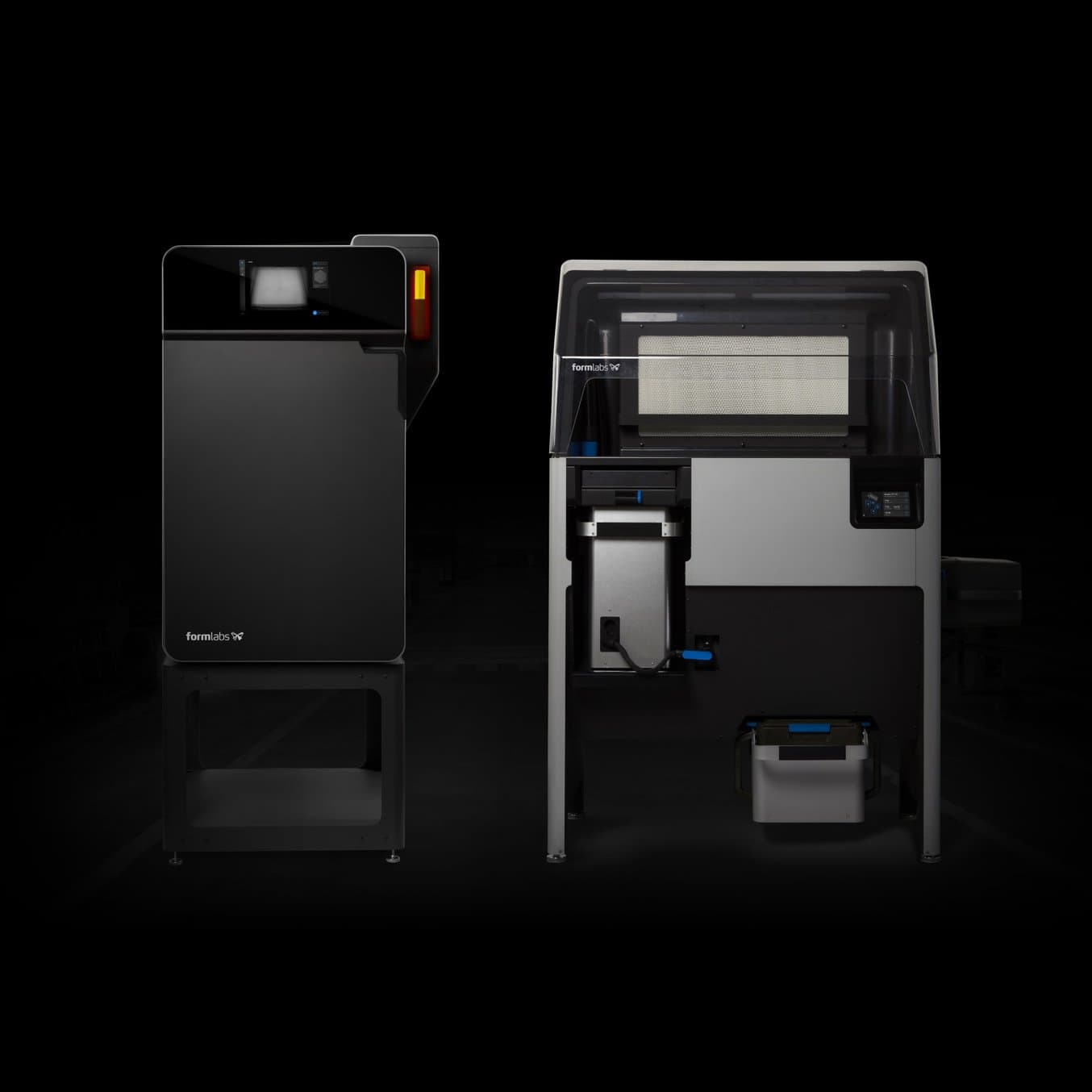 Fuse 12017Inspect
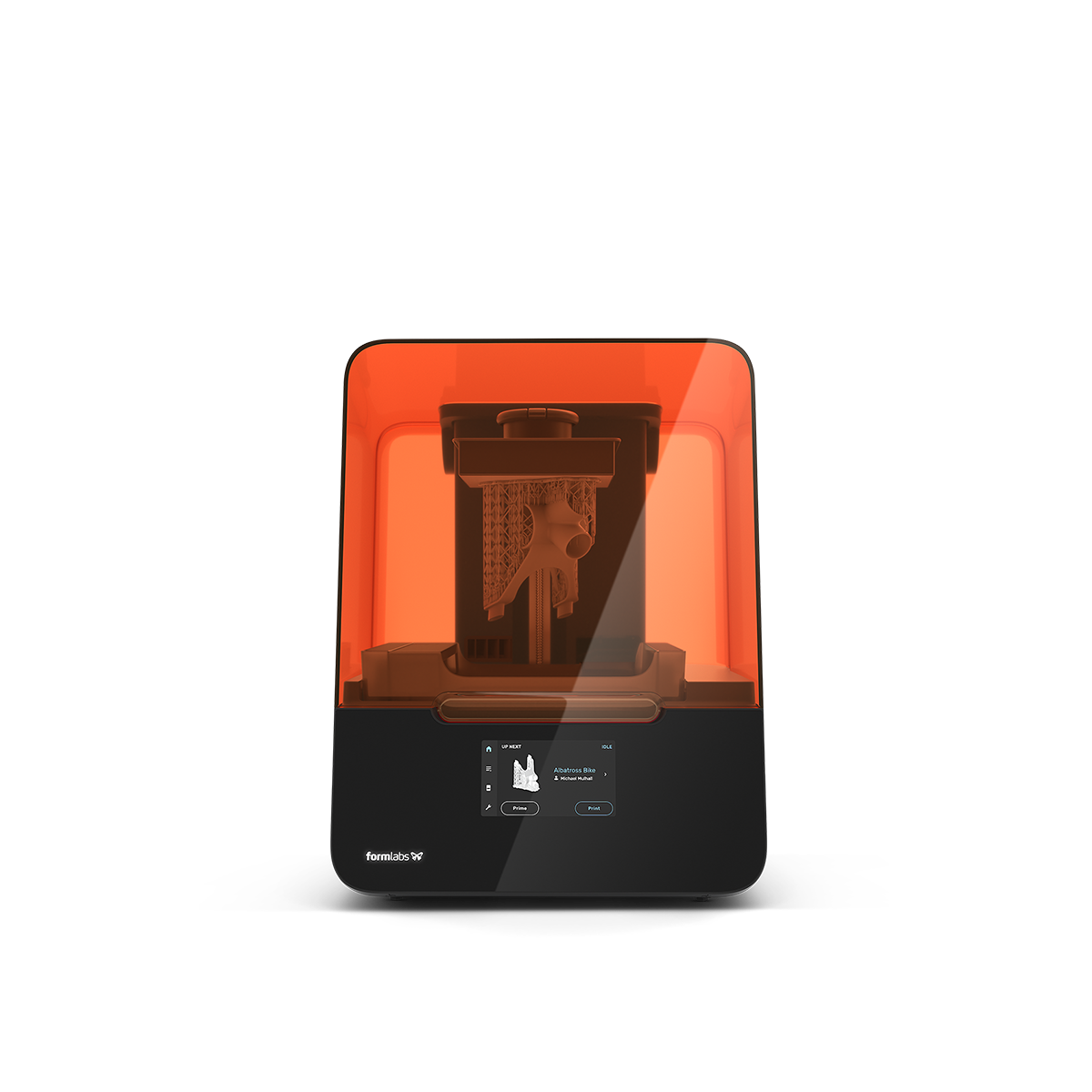 Form 32019Inspect
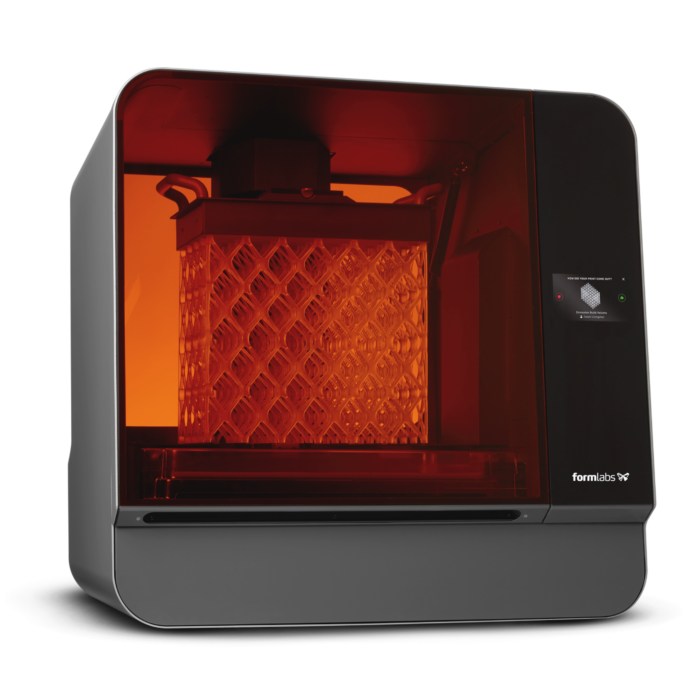 Form 3L2019Inspect
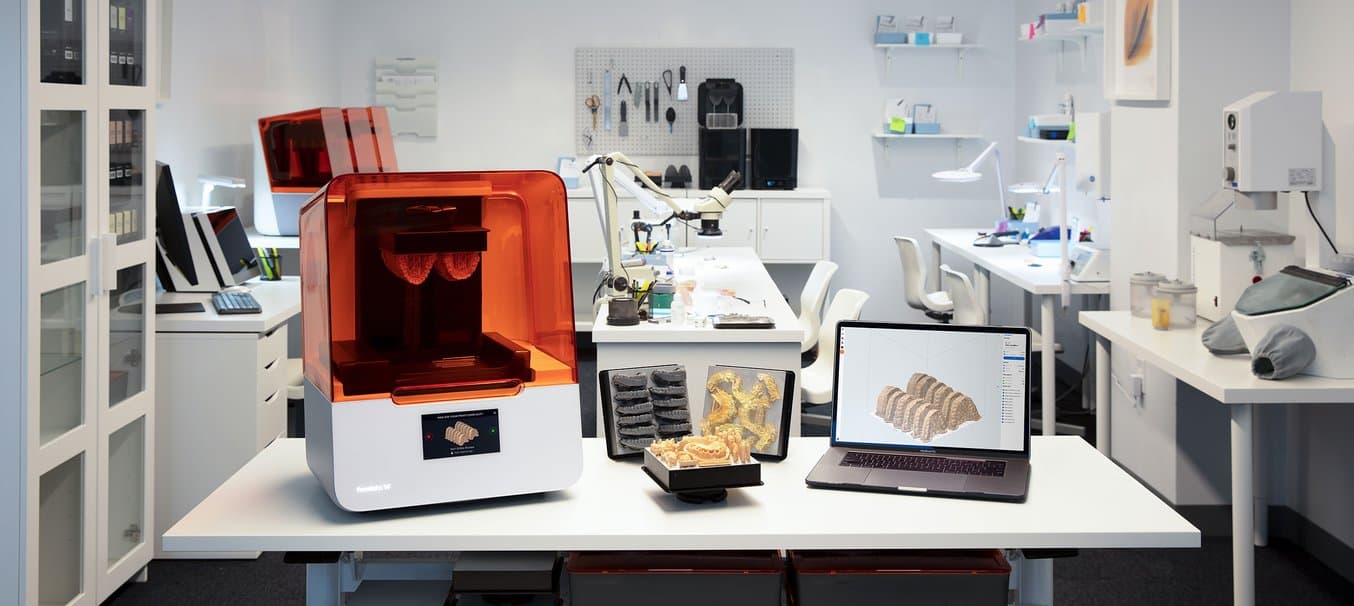 Form 3B2019Inspect
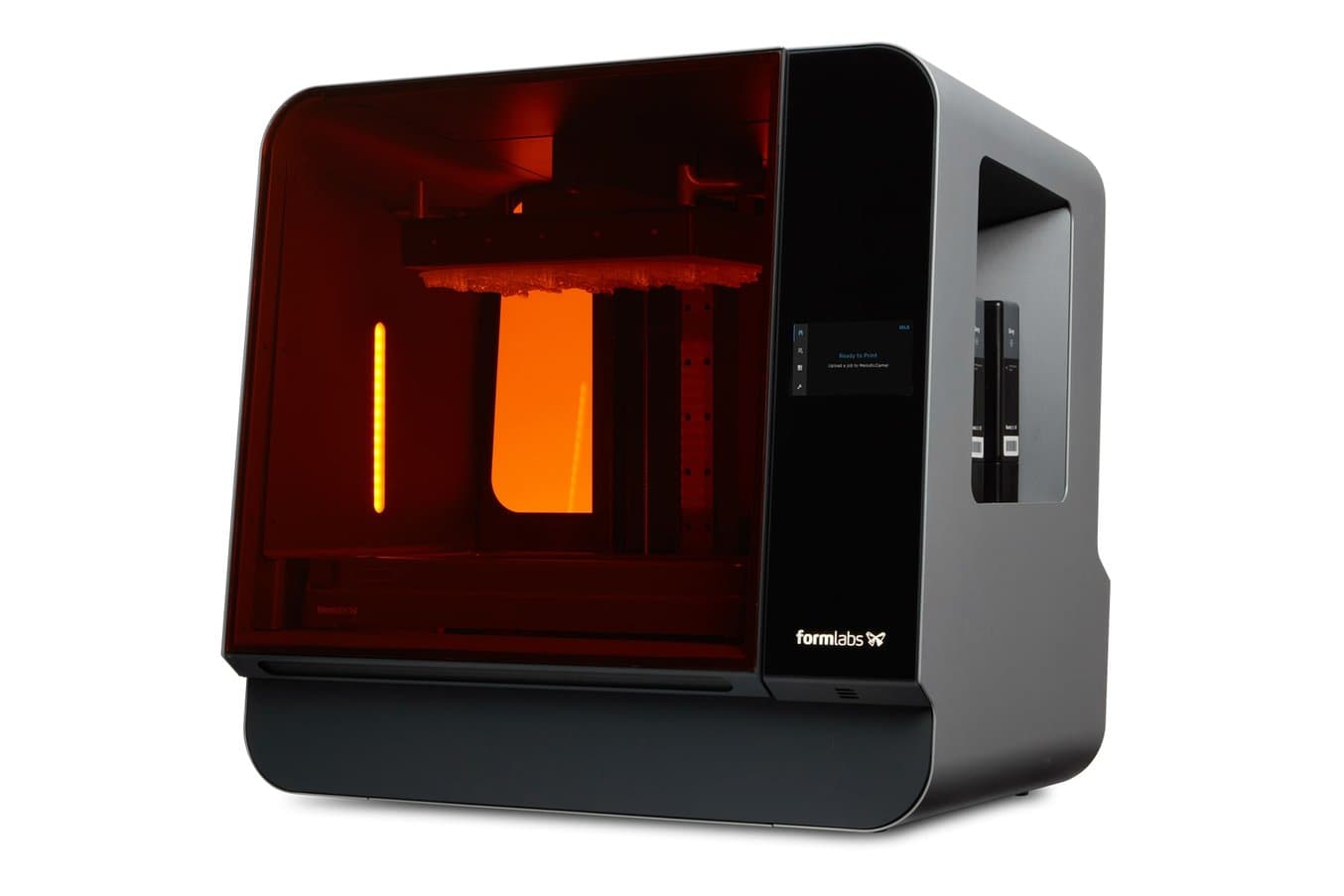 Form 3BL2020Inspect
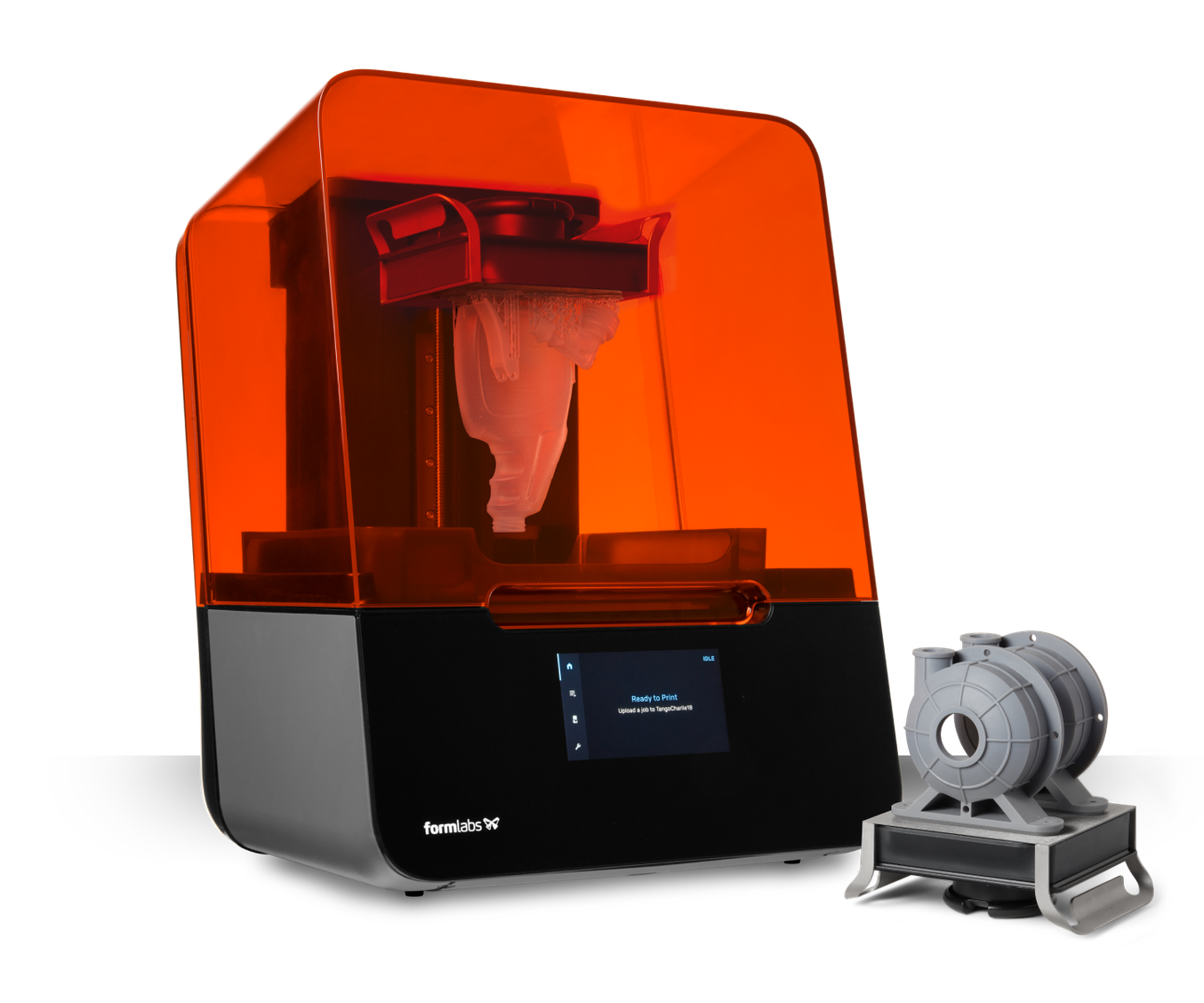 Form 3+2022Inspect
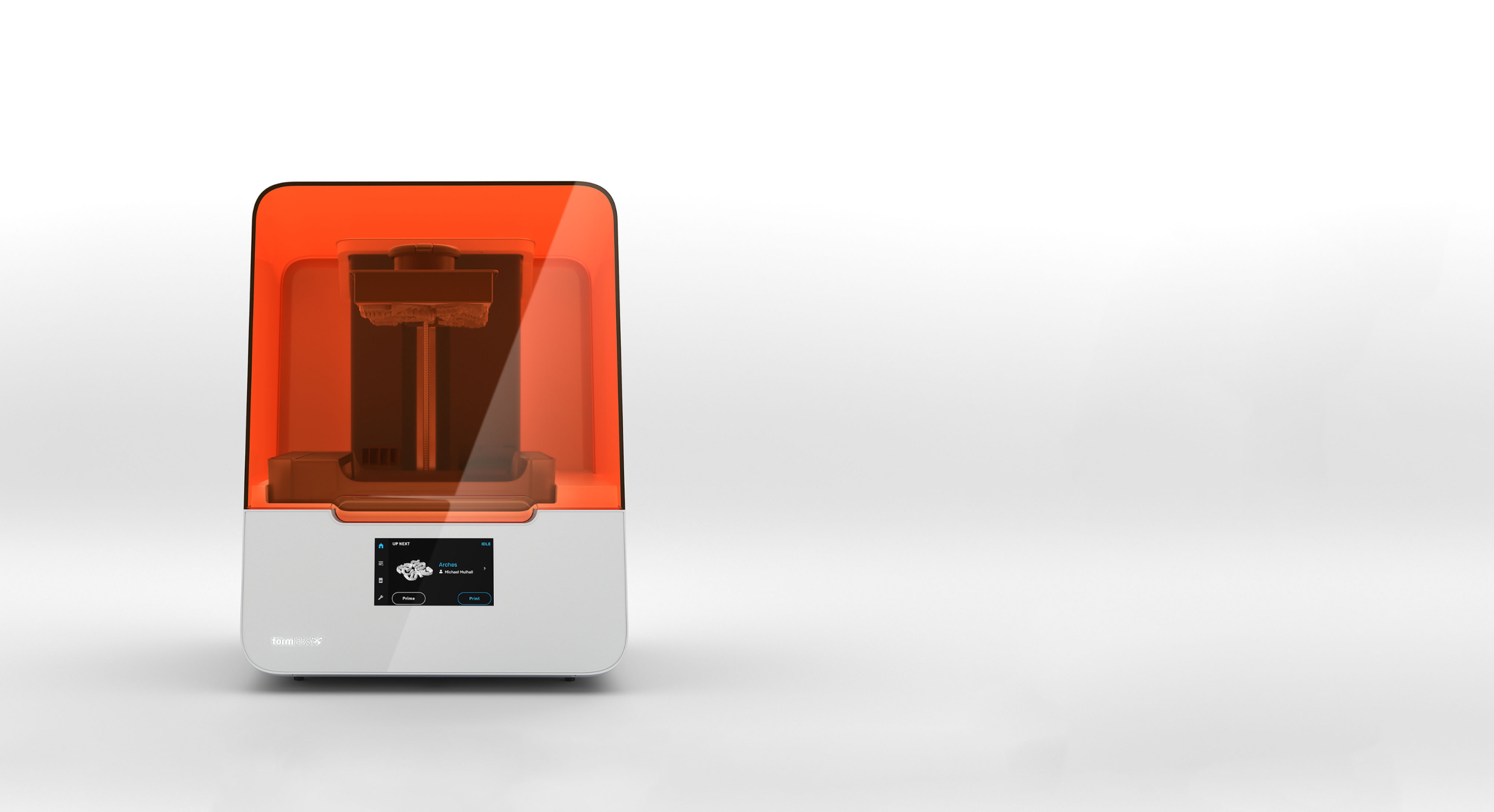 Form 3B+2022Inspect
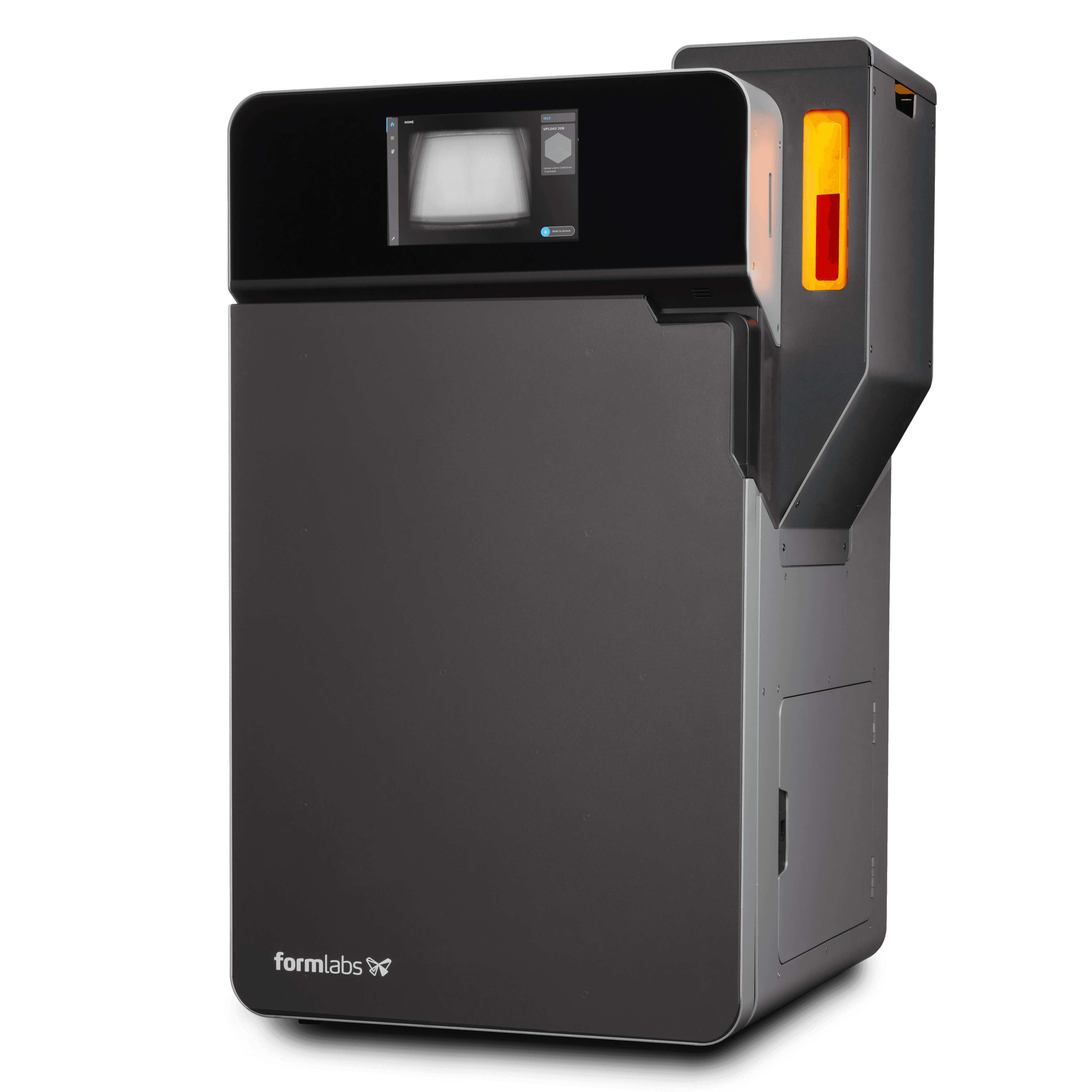 Fuse 1+ 30W2022Inspect
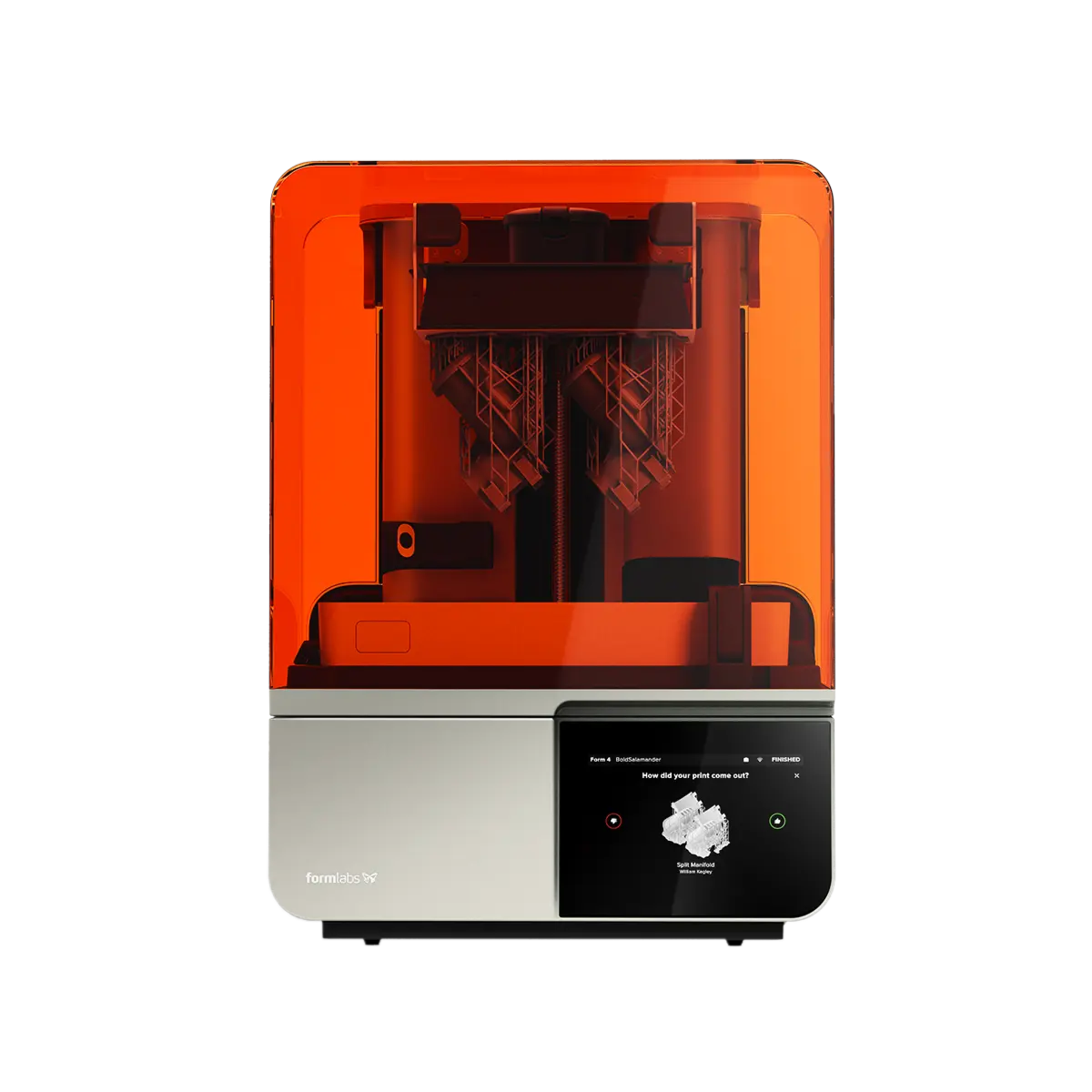 Form 42024Inspect
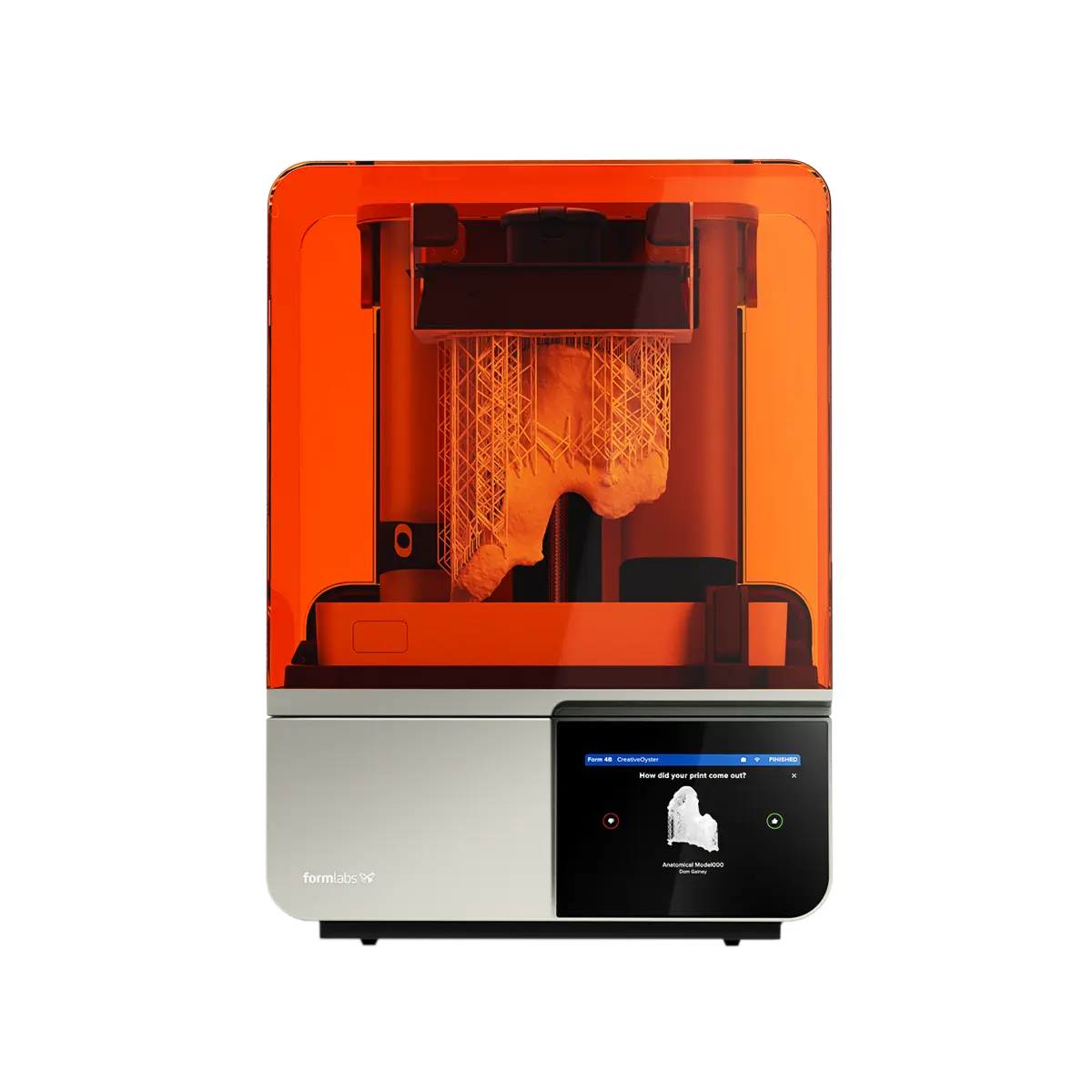 Form 4B2024Inspect
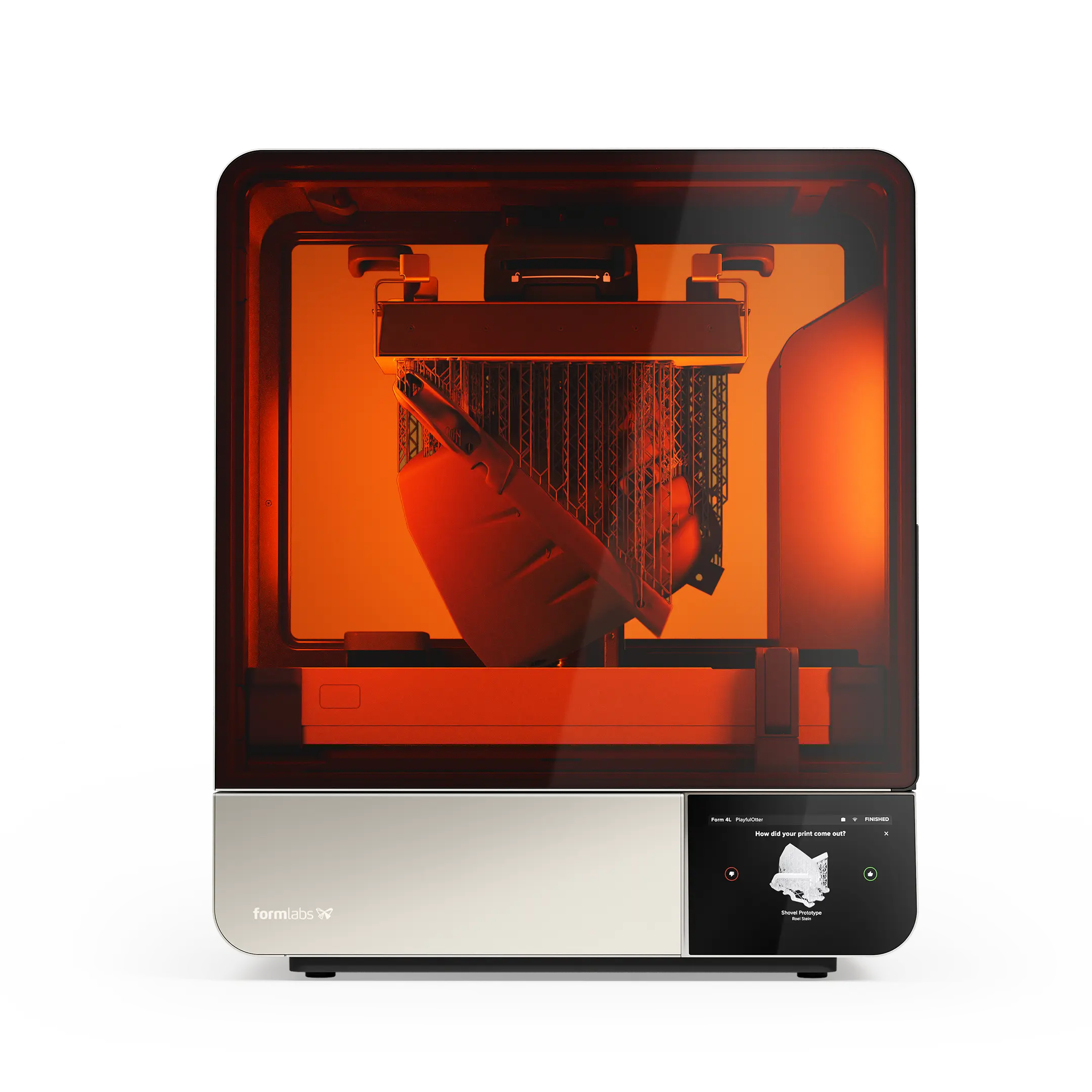 Form 4L2024Inspect
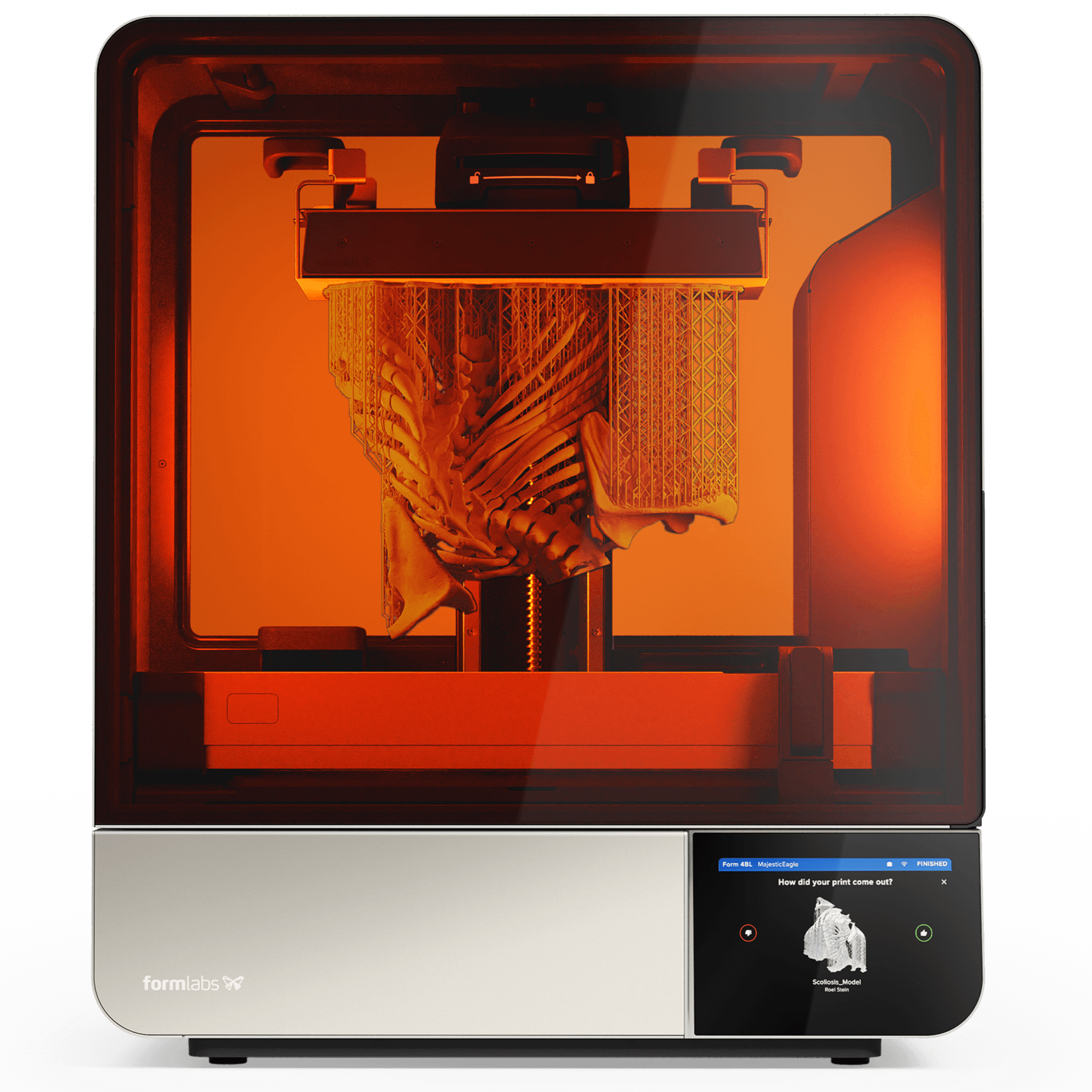 Form 4BL2024Inspect
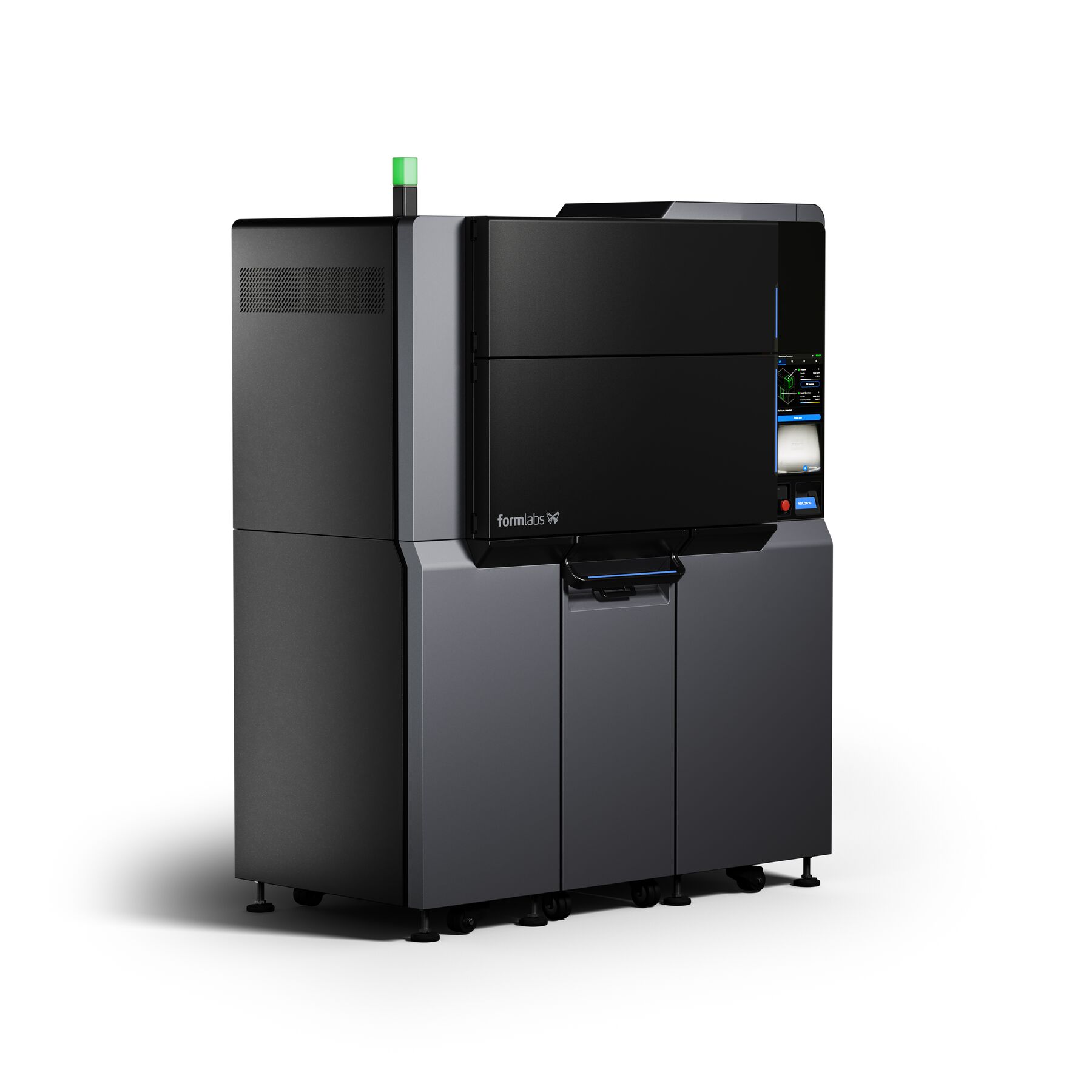 Fuse X12026Inspect
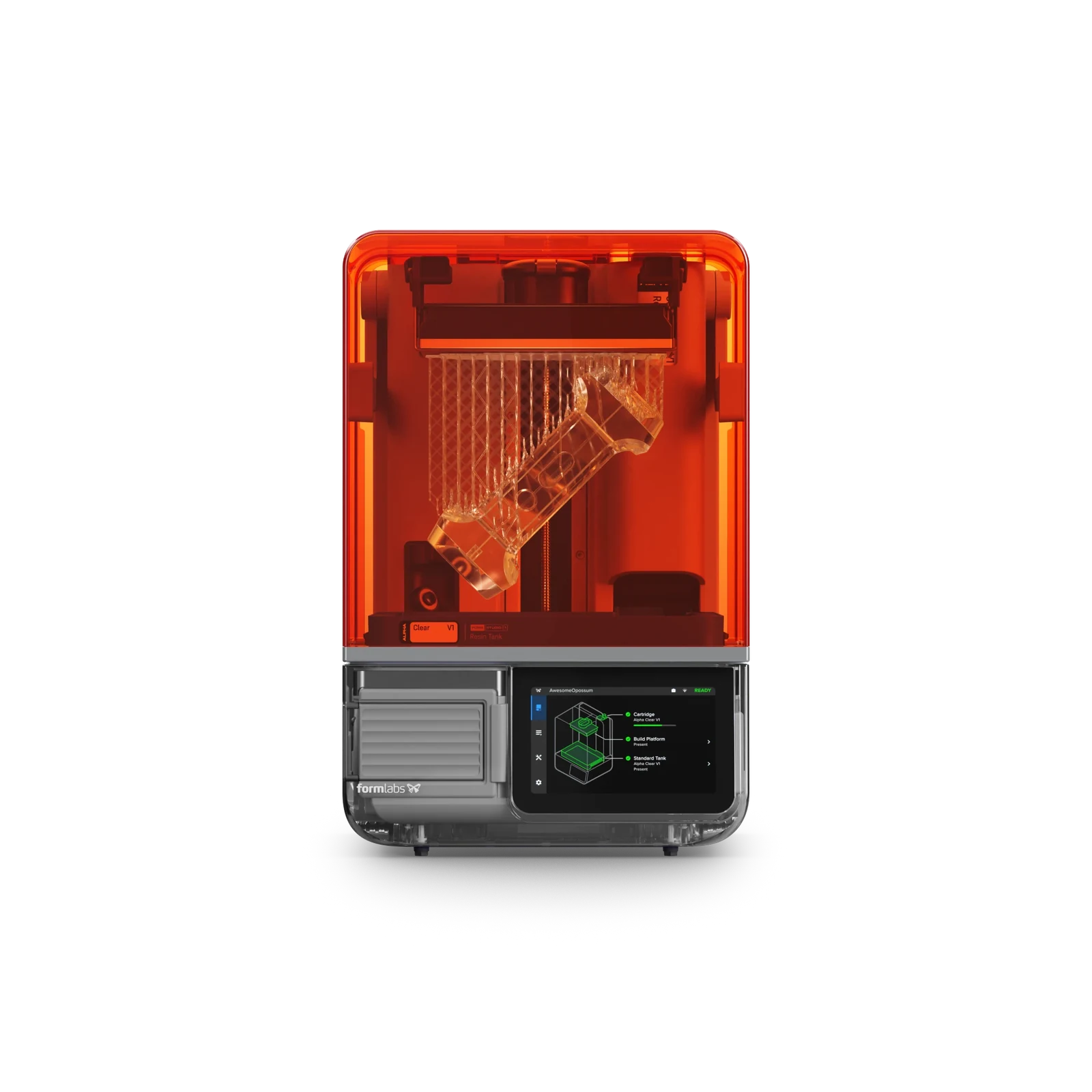 Form Studio 12026 · New
Original Formlabs product photography, cropped and arranged for this editorial feature. Product proportions and photographed details are preserved; machines are not displayed to a common scale. Dates indicate announcements.
Independent editorial feature by 3Dprintsy.
02 DLP / SLA
Light cures a layer. The plate lifts and repeats.
Learn about DLP / SLA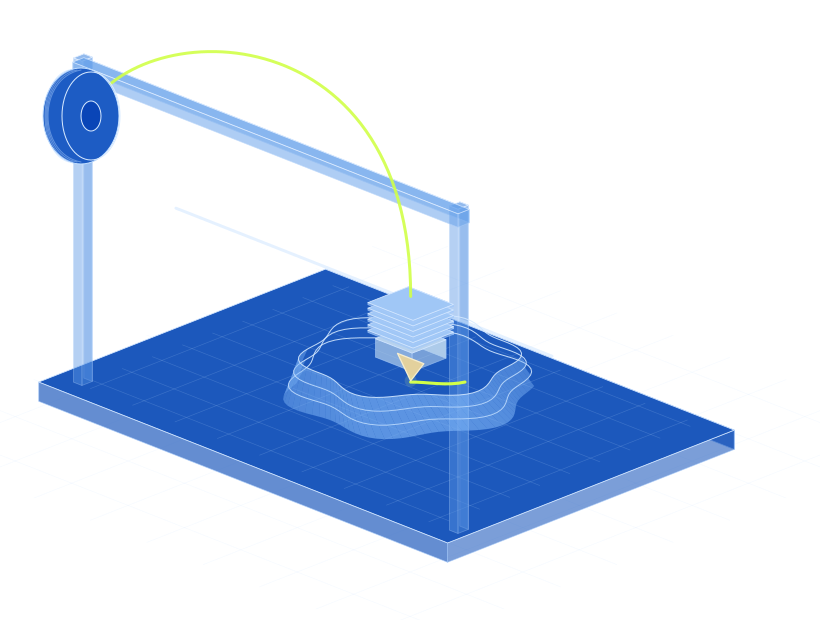
A heated nozzle traces the shape in molten filament. Each pass adds a layer; the toolhead rises as the object takes form.
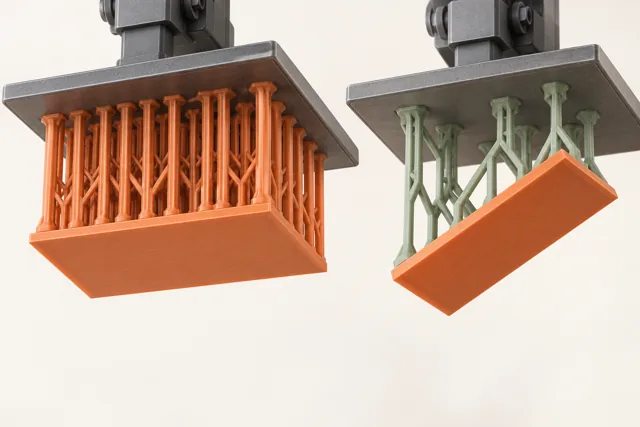
DLP projects a complete cross-section; laser SLA traces it with a moving spot. Both examples cure resin through a transparent vat floor, then lift and return the inverted build plate for the next layer.
A recoater spreads fresh powder. A laser fuses the cross-section, then the platform lowers. The object grows inside a bed of loose powder.
Layer thickness, paths, and cycle timing are exaggerated for clarity. Resin diagrams show an inverted configuration; other configurations and release mechanisms exist. The FDM example raises the toolhead; some machines move the bed instead. SLS is a transparent cutaway: loose powder normally surrounds the part. These are conceptual mechanisms, not exact machine replicas or speed comparisons.
The learning library
The ideas that changed making
1981 / Published research
Hideo Kodama describes making solid models by exposing liquid photopolymer, one cross-section at a time.
Discover this moment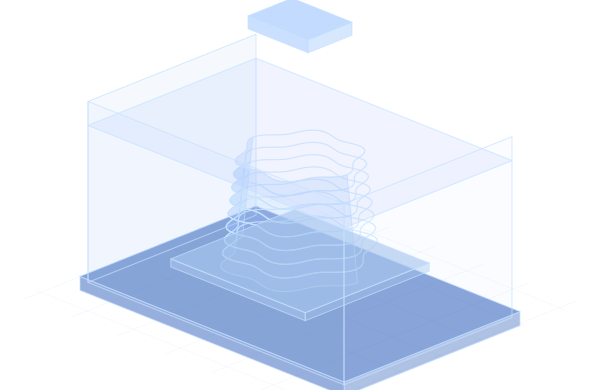
1989 / Patent application
Scott Crump files his extrusion-printing patent application. A controlled nozzle deposits material to build a shape in layers.
Discover this moment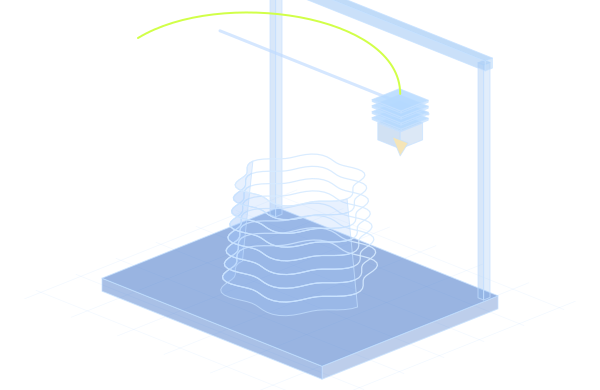
2005 / Open-source project
Adrian Bowyer starts RepRap: an open-source project for machines that can print many of the parts needed to build another.
Discover this moment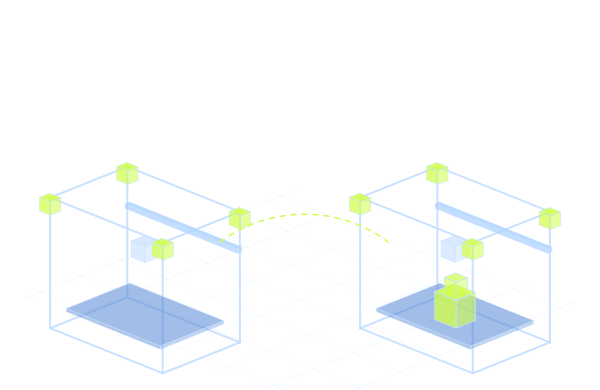
2016 / Commercial introduction
HP introduces its first commercial Jet Fusion systems, using agents and thermal energy to form parts in a powder bed.
Discover this moment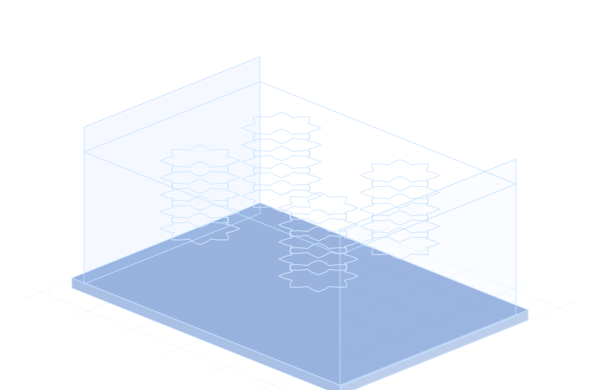
The material library
Different materials.
Different possibilities.
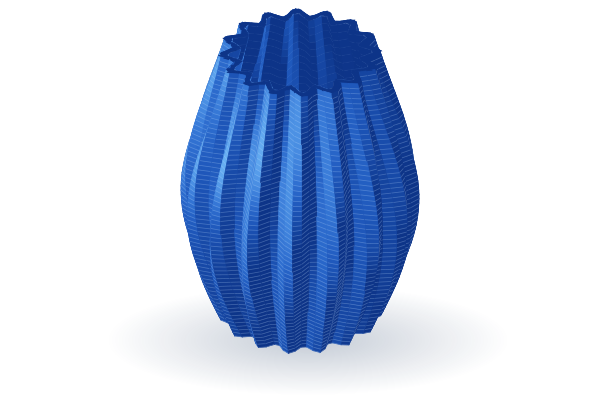
Visual models
For early concepts and display pieces where shape and detail matter most.
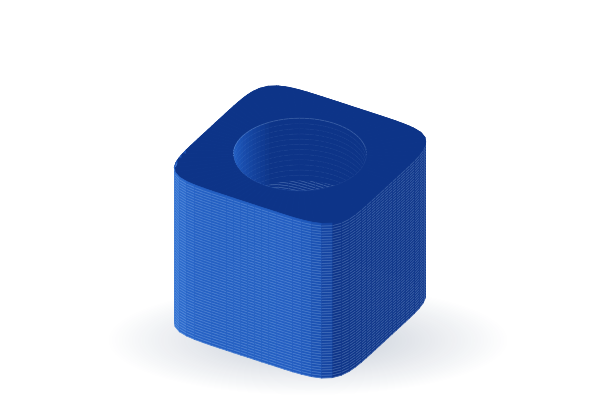
Everyday function
A practical starting point for useful housings, holders, and everyday functional prototypes.
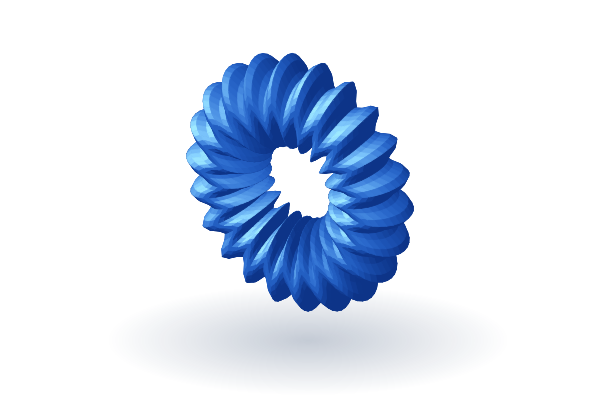
Flexible parts
For parts that need to bend or compress. Choose the hardness to suit the job.
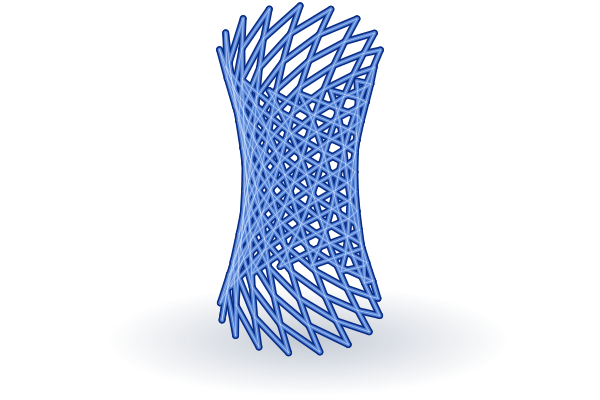
Fine features
General-purpose photopolymer resin for intricate visual prototypes and detailed display models.
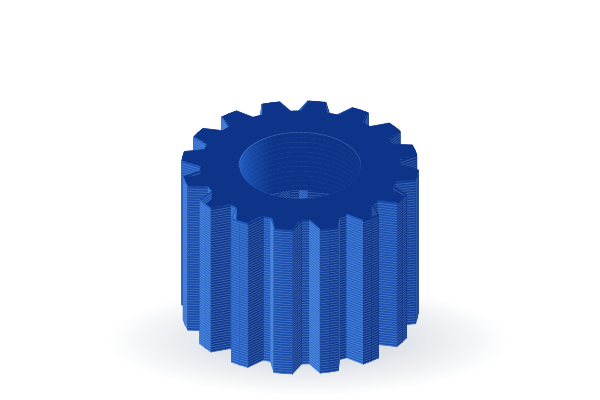
Functional geometry
A polyamide powder used for functional parts, intricate geometry, and small production batches.