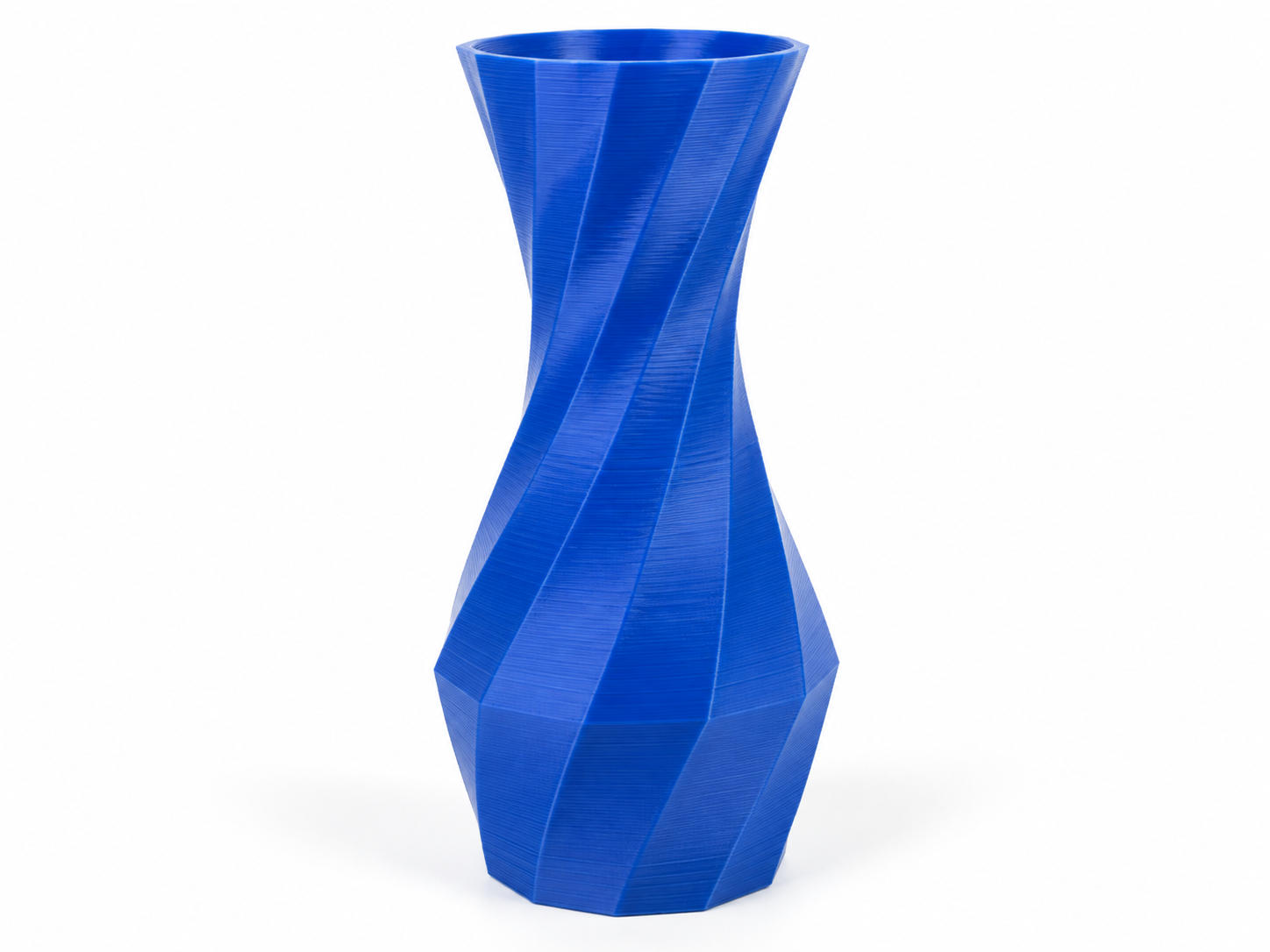
An accessible filament for visual models and early prototypes. It usually prints with relatively little warping, but ordinary PLA is a poor starting point for demanding heat exposure.
Concept models Detailed display pieces Low-stress prototypes
What to consider Heat and UV resistance are limited compared with engineering alternatives.
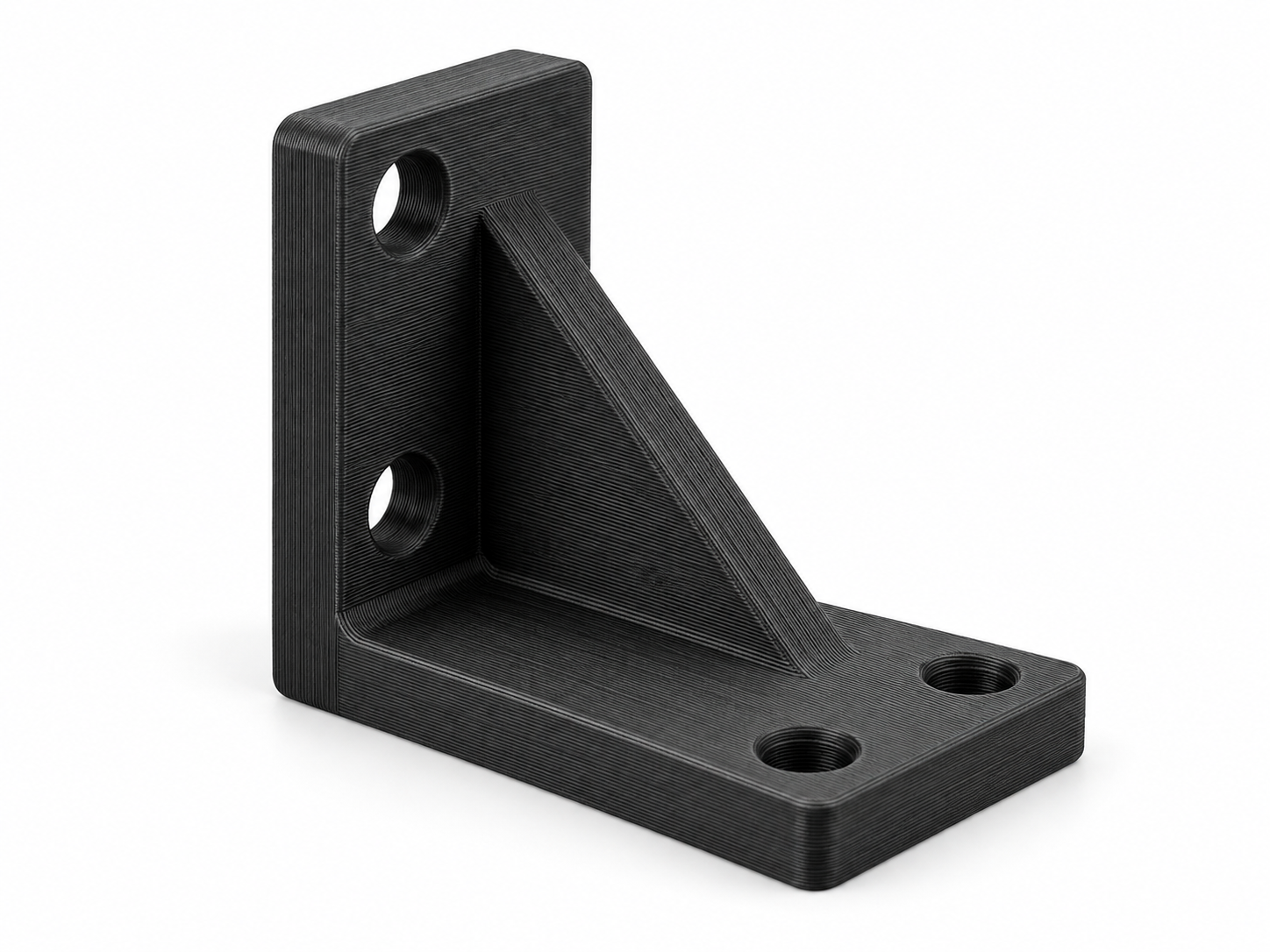
Explore material ↗ A practical material for functional prototypes and everyday housings, combining useful toughness with comparatively manageable printing behavior.
Holders and brackets Enclosures Larger functional prototypes
What to consider Can string and perform poorly on difficult bridges.
Explore material ↗ A commonly documented polymer powder for SLS functional parts. Supplier data must be read alongside the printer, orientation, and processing conditions.
Functional housings Complex geometries Small production batches
What to consider Requires powder recovery and finishing.
Explore material ↗ A technical filament often chosen for outdoor objects because of its UV resistance and useful heat performance.
Outdoor housings Weather-exposed prototypes Functional covers
What to consider Warping can require a controlled printing environment.
Explore material ↗ A familiar engineering thermoplastic used for robust prototypes and technical parts. Printing requires attention to contraction and the working environment.
Functional prototypes Technical housings Mechanical test pieces
What to consider Warping is a common challenge, especially for large parts.
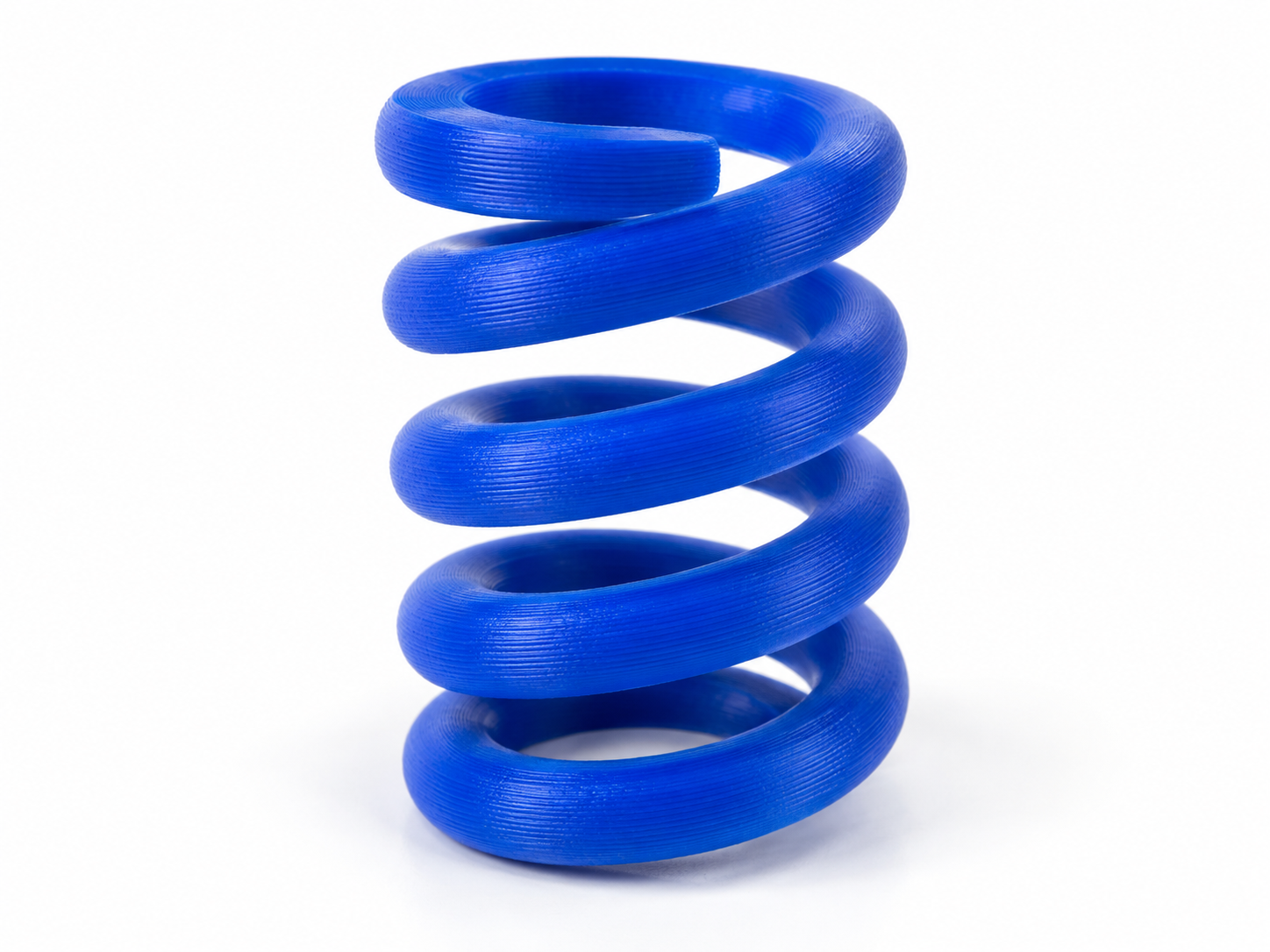
Explore material ↗ Flexible thermoplastic grades can produce compliant parts. Hardness and formulation matter as much as the broad TPU label.
Protective bumpers Flexible covers Grips and compliant prototypes
What to consider Softer grades can be more difficult to feed.
Explore material ↗ A family of tough, wear-resistant materials for technical parts. PA6, PA11, PA12, blends, and filled grades should be evaluated individually.
Wear components Functional mechanical prototypes Gears and flexible thin features
What to consider Moisture control is especially important.
Explore material ↗ Engineering filaments selected for stiffness, toughness, and heat performance. Blended formulations can be easier to print than unmodified polycarbonate.
Heat-demanding prototypes Rigid technical parts Fixtures
What to consider High printing temperatures require compatible hardware.
Explore material ↗ Carbon- or glass-filled filaments combine a base polymer with fibers. The base polymer and formulation determine the useful performance; a carbon label alone is not a strength rating.
Dimensionally stable fixtures Stiff prototypes Technical parts with a validated material grade
What to consider Abrasive fillers generally require a wear-resistant nozzle.
Explore material ↗ Water-soluble support materials used with a compatible primary filament and multi-material printing system.
Complex supported geometry Support interfaces Hard-to-reach support regions
What to consider Very sensitive to moisture during storage and printing.
Explore material ↗ Resins intended for visual prototypes and detailed models. Formlabs Grey Resin is one documented example; performance and printer compatibility vary across products.
Detailed display models Visual prototypes Painted props
What to consider Requires the supported wash and finishing workflow.
Explore material ↗ Application-specific formulations target properties such as impact resistance, stiffness, or heat behavior. Tough 2000 Resin V2 is an example intended for robust prototypes and fixtures.
Fit and functional prototypes Fixtures with validated loading Snap-fit design trials
What to consider Properties depend on the specified printing and curing process.
Explore material ↗ Lightweight polymer for compliant functional parts.
Living hinges Chemical-handling prototypes
What to consider Build-surface adhesion and contraction need careful control.
Explore material ↗ Impact-modified polystyrene for models and compatible supports.
Display models Support structures
What to consider Support removal chemistry must be compatible with the primary part.
Explore material ↗ A filament family used for models with solvent-finished surfaces.
Display pieces Surface-finish studies
What to consider Smoothing can round edges and change dimensions.
Explore material ↗ Modified polyester formulations for functional printing.
Housings Functional prototypes
What to consider CPE is a broad supplier label; compare the actual formulation.
Explore material ↗ Wood particles in a polymer matrix create a decorative texture.
Decorative models Tactile objects
What to consider It remains a polymer composite; filler content affects flow and brittleness.
Explore material ↗ Metal particles add visual character to a plastic binder.
Display models Weighted ornaments
What to consider Decorative filament does not become a solid engineering metal part.
Explore material ↗ A nylon grade family for wear and mechanical components.
Wear parts Gears
What to consider Conditioning changes dimensions and mechanical behavior.
Explore material ↗ Nylon supplied as filament for engineering extrusion.
Functional housings Wear components
What to consider Do not substitute SLS powder properties for extruded-part data.
Explore material ↗ Short carbon fibers in a polyamide matrix.
Stiff fixtures Jigs
What to consider Fiber alignment and layer bonding affect performance.
Explore material ↗ Glass-reinforced polyamide filament.
Tooling Rigid fixtures
What to consider Abrasive feedstock requires compatible hardware.
Explore material ↗ An engineering blend combining two thermoplastic families.
Technical covers Housings
What to consider Blend ratio and chamber conditions matter.
Explore material ↗ A high-performance thermoplastic for specialist extrusion.
Engineering prototypes High-temperature tooling
What to consider Requires a validated high-temperature process.
Explore material ↗ A PAEK-family thermoplastic offered in specialist printing grades.
Industrial tooling Technical components
What to consider Crystallization and thermal history affect the finished part.
Explore material ↗ An engineering thermoplastic available in distinct printing grades.
Technical housings Fixtures
What to consider 1010 and 9085 are different formulations.
Explore material ↗ A specialty engineering polymer for demanding environments.
Industrial components Tooling
What to consider Use exact-grade thermal processing instructions.
Explore material ↗ A sulfone-family thermoplastic for specialist printers.
Technical prototypes Fixtures
What to consider Drying and elevated process temperatures need controlled equipment.
Explore material ↗ Polysulfone feedstock for high-temperature extrusion systems.
Engineering models Technical components
What to consider Treat printer qualification as a grade-specific requirement.
Explore material ↗ A fluoropolymer available in specialized filament formulations.
Chemical-service prototypes Industrial components
What to consider Validate compatibility with the actual chemical and temperature.
Explore material ↗ A functional formulation designed for controlled static dissipation.
Electronics fixtures Assembly aids
What to consider ESD behavior requires testing of the printed part.
Explore material ↗ Polymer formulations targeting specified flammability behavior.
Electrical housings Technical prototypes
What to consider A material test rating does not certify an assembly.
Explore material ↗ PLA feedstock incorporating recycled material.
Concept models Design iterations
What to consider Recycled content and consistency are supplier-specific.
Explore material ↗ Recycled-content copolyester filament.
Functional prototypes Housings
What to consider Compare declared recycled content and batch documentation.
Explore material ↗ Continuous reinforcement placed within a printed polymer matrix.
Load-directed fixtures Structural prototypes
What to consider Reinforcement paths must align with loads; properties are directional.
Explore material ↗ Glass reinforcement used with a compatible printed matrix.
Tooling Reinforced brackets
What to consider This needs a continuous-fiber-capable machine.
Explore material ↗ Aramid reinforcement embedded within printed polymer.
Impact-oriented prototypes Fixtures
What to consider Fiber routing, cutouts and unreinforced regions affect the result.
Explore material ↗ Transparent photopolymer for see-through prototypes.
Fluidic models Visual assemblies
What to consider Optical finish usually needs additional finishing.
Explore material ↗ Photopolymer formulations emphasizing mechanical robustness.
Snap-fit trials Functional prototypes
What to consider Toughness and stiffness are different properties.
Explore material ↗ Filled photopolymers for stiff parts.
Jigs Tooling
What to consider High stiffness does not imply high impact resistance.
Explore material ↗ Photopolymer for applications with qualified thermal requirements.
Mold inserts Hot-air prototypes
What to consider HDT is a test result, not a continuous service temperature.
Explore material ↗ Rubber-like photopolymers with grade-specific hardness.
Grips Compliant prototypes
What to consider Compare tear, rebound and aging as well as hardness.
Explore material ↗ Static-dissipative photopolymer for specialized fixtures.
Electronics tooling Assembly fixtures
What to consider Validate resistivity after the required finishing process.
Explore material ↗ Photopolymer formulated for specified flame tests.
Electrical prototypes Enclosures
What to consider Test thickness and curing conditions are part of the rating.
Explore material ↗ Silicone feedstock for supported printing systems.
Soft prototypes Gaskets
What to consider Use a qualified silicone process, not a generic resin profile.
Explore material ↗ Sacrificial patterns for investment casting.
Jewelry patterns Casting patterns
What to consider Burnout schedule and investment compatibility determine results.
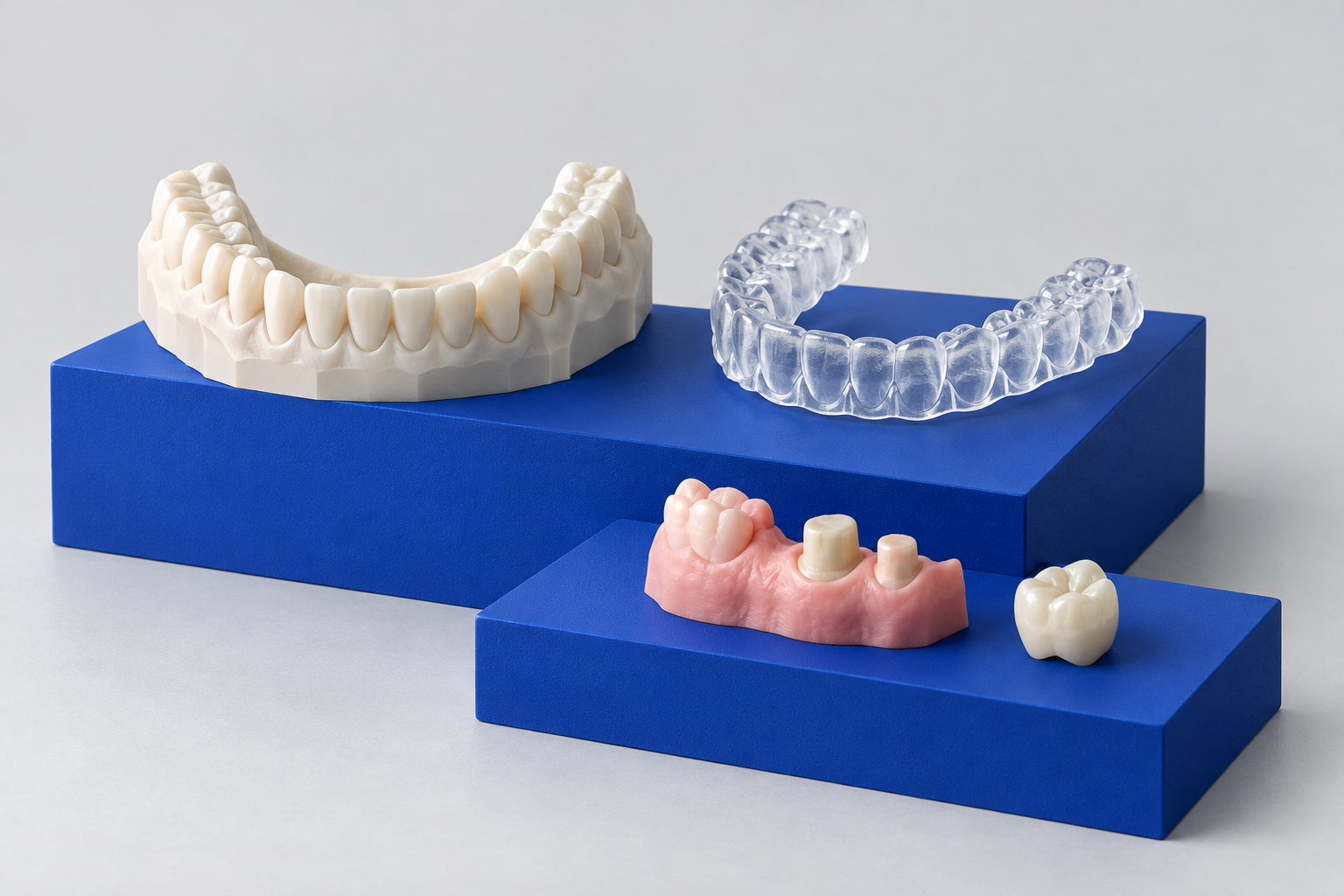
Explore material ↗ Application-specific dental photopolymers.
Dental models Validated dental workflows
What to consider Model, splint and restoration materials are not interchangeable.
Explore material ↗ Photopolymers supplied for specified biological-contact workflows.
Medical-device development Validated contact applications
What to consider Contact type, duration and complete processing must be evaluated.
Explore material ↗ Polyamide powder for ductile functional parts.
Snap-fit parts Functional prototypes
What to consider Moisture conditioning and build orientation affect results.
Explore material ↗ Elastomeric powder for compliant printed geometries.
Lattices Cushioning
What to consider Geometry changes apparent stiffness; hardness is not a lattice rating.
Explore material ↗ Filled polyamide powder for stiffer functional parts.
Fixtures Housings
What to consider Filled grades have different ductility from unfilled nylon.
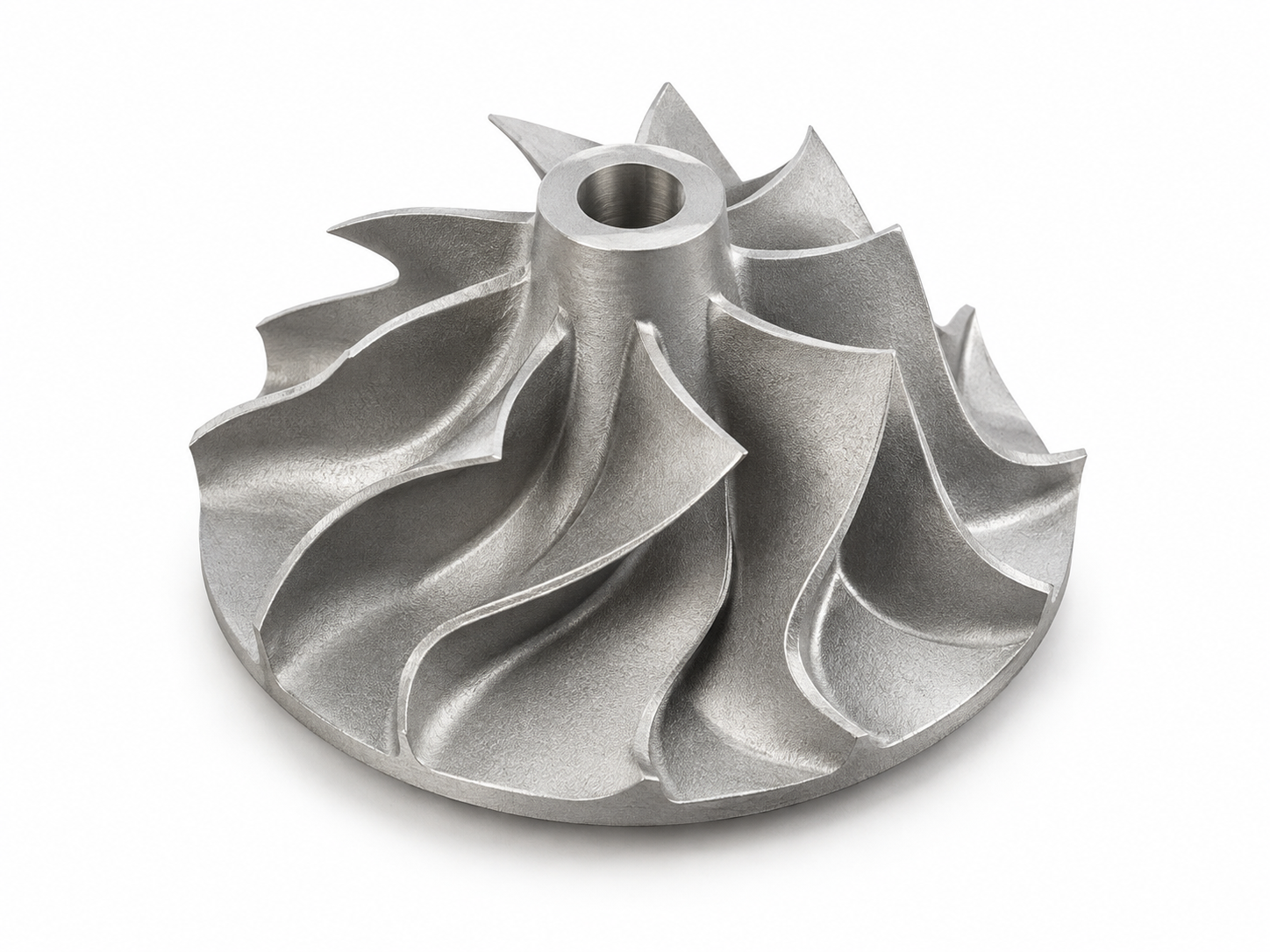
Explore material ↗ Aluminum-silicon-magnesium alloy for metal additive processes.
Lightweight housings Thermal components
What to consider Surface finish and heat treatment influence final performance.
Explore material ↗ Titanium alloy used in qualified metal printing workflows.
Lightweight components Engineering development
What to consider Oxygen control and postprocessing are critical to the material state.
Explore material ↗ Cobalt-based alloy feedstock for qualified industrial processes.
Wear components Validated dental frameworks
What to consider Composition and end-use qualification must match the application.
Explore material ↗ Nickel-based alloy for demanding engineering applications.
Hot-section prototypes Industrial components
What to consider Heat treatment and defect control are central to performance.
Explore material ↗ Nickel-based alloy used in corrosion-oriented applications.
Chemical-service components Industrial hardware
What to consider Compatibility depends on the actual service environment.
Explore material ↗ Conductive metal feedstock for compatible additive systems.
Thermal components Electrical prototypes
What to consider Purity, density and processing affect conductivity.
Explore material ↗ Copper alloy used for thermal and electrical components.
Heat exchangers Induction components
What to consider Heat treatment changes the strength-conductivity balance.
Explore material ↗ Austenitic stainless steel in additive feedstock form.
Industrial hardware Fluid-system prototypes
What to consider Corrosion performance depends on environment and surface condition.
Explore material ↗ Precipitation-hardening stainless steel.
Tooling Mechanical components
What to consider Condition and heat treatment must accompany property values.
Explore material ↗ Nickel-iron feedstock targeting low thermal expansion.
Precision tooling Dimensional fixtures
What to consider Use the specified temperature interval for expansion data.
Explore material ↗ Age-hardenable steel for tooling and engineering components.
Mold inserts Tooling
What to consider As-built and aged material states differ substantially.
Explore material ↗ Technical oxide ceramic for hard, wear-oriented components.
Technical components Electrical insulation
What to consider Sintering shrinkage must be compensated.
Explore material ↗ Technical oxide ceramic used in precision applications.
Precision components Validated dental applications
What to consider Grade and sintering schedule determine the microstructure.
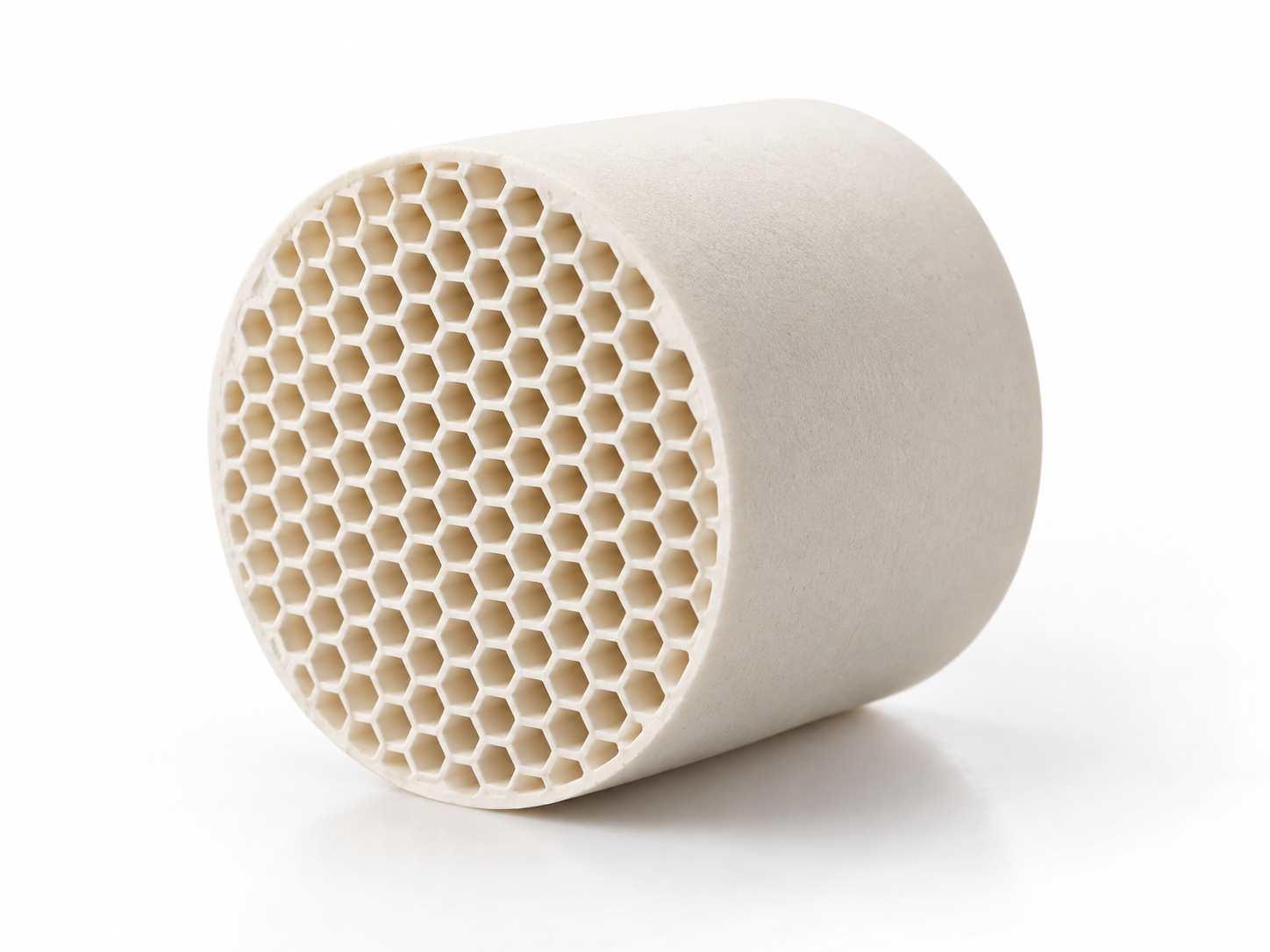
Explore material ↗ Technical ceramic for demanding thermal and mechanical environments.
Industrial components Engineering development
What to consider Specialist firing and machining may be required.
Explore material ↗ Technical ceramic for thermal applications.
Thermal-management components Electronics development
What to consider Processing and purity influence thermal behavior.
Explore material ↗ Ceramic feedstock for intricate investment-casting cores.
Casting cores Fine internal passages
What to consider Design for core removal and casting compatibility.
Explore material ↗ Calcium-phosphate ceramic for specialist development.
Research scaffolds Validated medical development
What to consider The material name alone does not authorize implantation.
Explore material ↗ Composite oxide ceramic combining zirconia and alumina.
Precision components Wear-oriented parts
What to consider Composition and sintering affect the property balance.
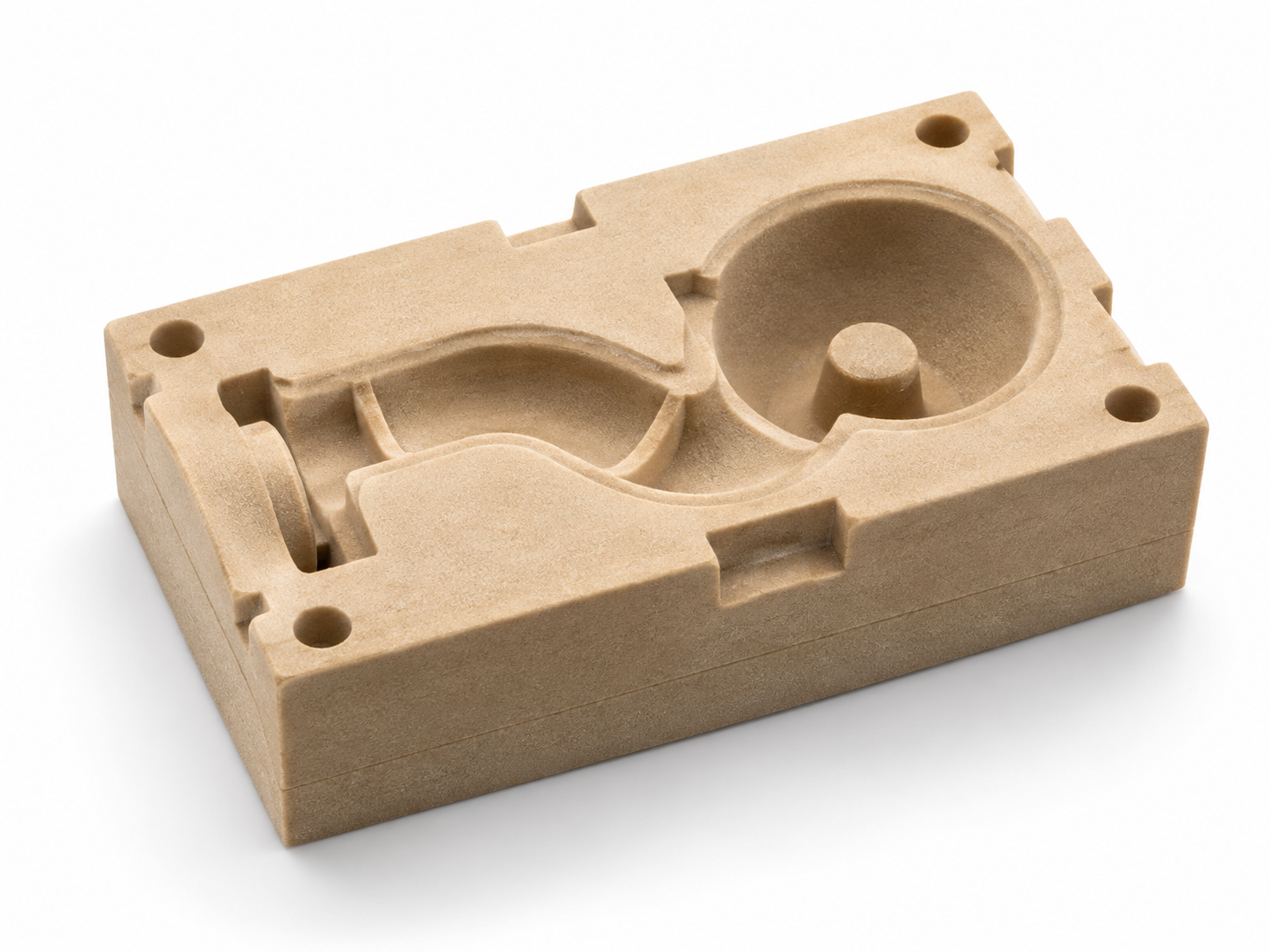
Explore material ↗ Binder-jet feedstock for sacrificial casting tooling.
Sand molds Casting cores
What to consider Binder chemistry must suit the casting process.
Explore material ↗ Metal particles held in a binder before densification.
Sintered metal parts Tooling
What to consider Debinding and sintering are required; the green part is not final metal.
Explore material ↗ Technical ceramic available in specialist additive workflows.
Thermal components Industrial development
What to consider Densification and infiltration depend on the selected process.
Explore material ↗ Wood-based particles combined with a printing binder.
Design objects Decorative parts
What to consider Binder and finishing determine the final composite properties.
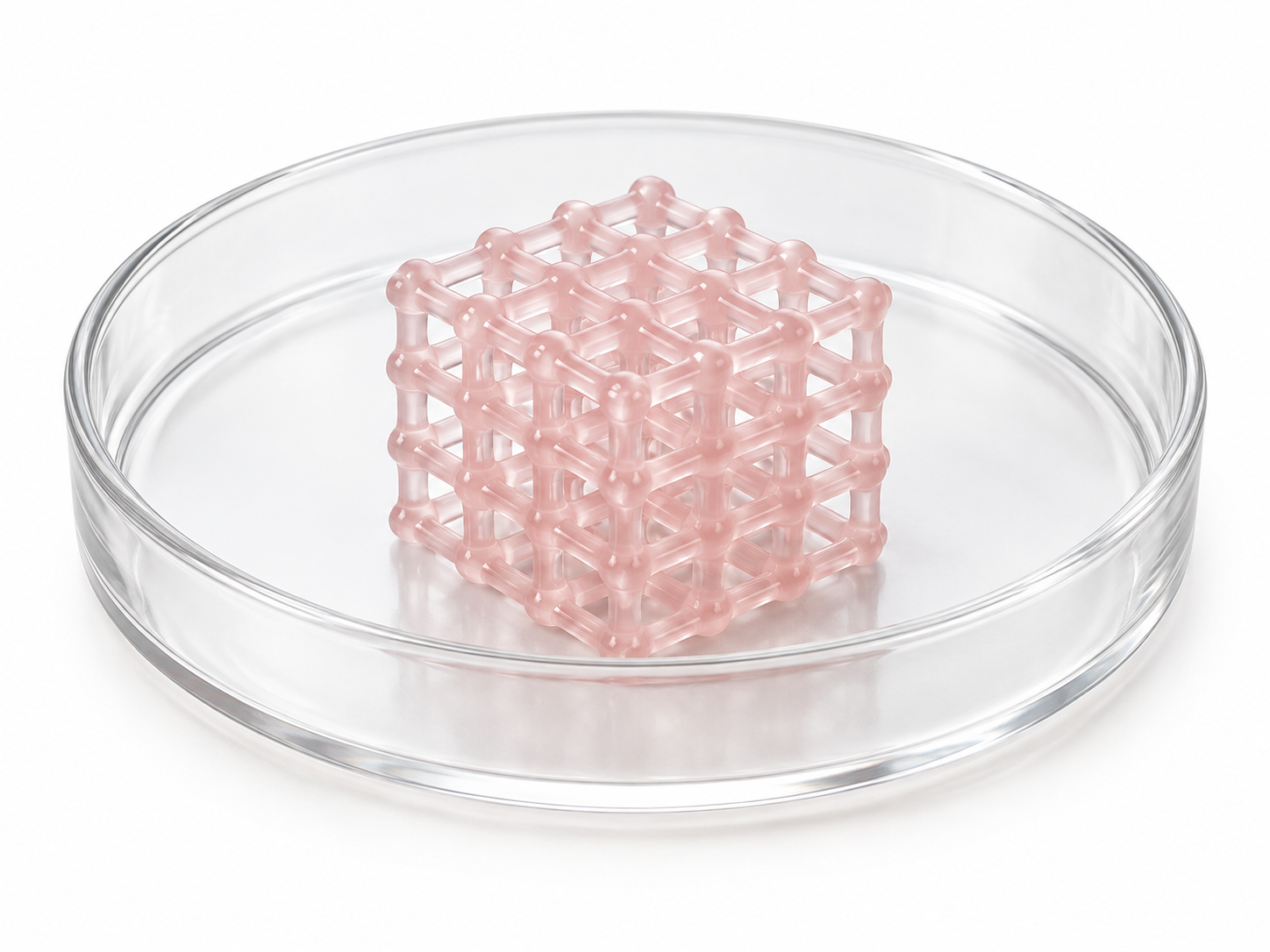
Explore material ↗ Hydrogel building block for research bioprinting.
Research scaffolds Biofabrication studies
What to consider Crosslinking chemistry and cell compatibility need protocol validation.
Explore material ↗ Modified gelatin used in photocrosslinkable research hydrogels.
Tissue-model research Biofabrication studies
What to consider Light exposure and formulation affect cells and structure.
Explore material ↗ Protein-based biomaterial for research printing.
Tissue-model research Cell-culture constructs
What to consider Gelation conditions and biological variability require controlled protocols.
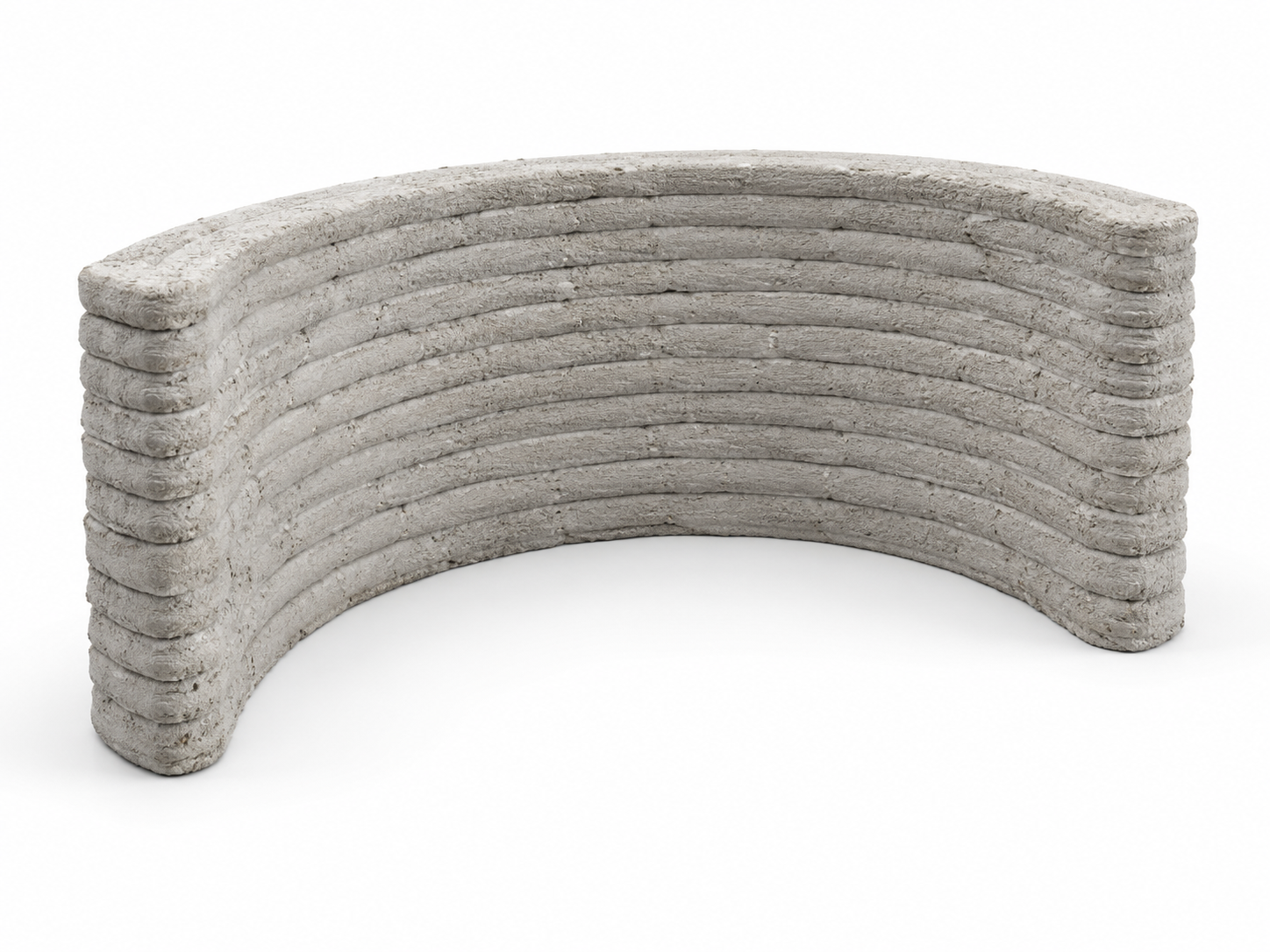
Explore material ↗ Cementitious feedstock designed for construction extrusion.
Construction development Architectural elements
What to consider Pumpability, buildability, curing and reinforcement require project engineering.
Explore material ↗