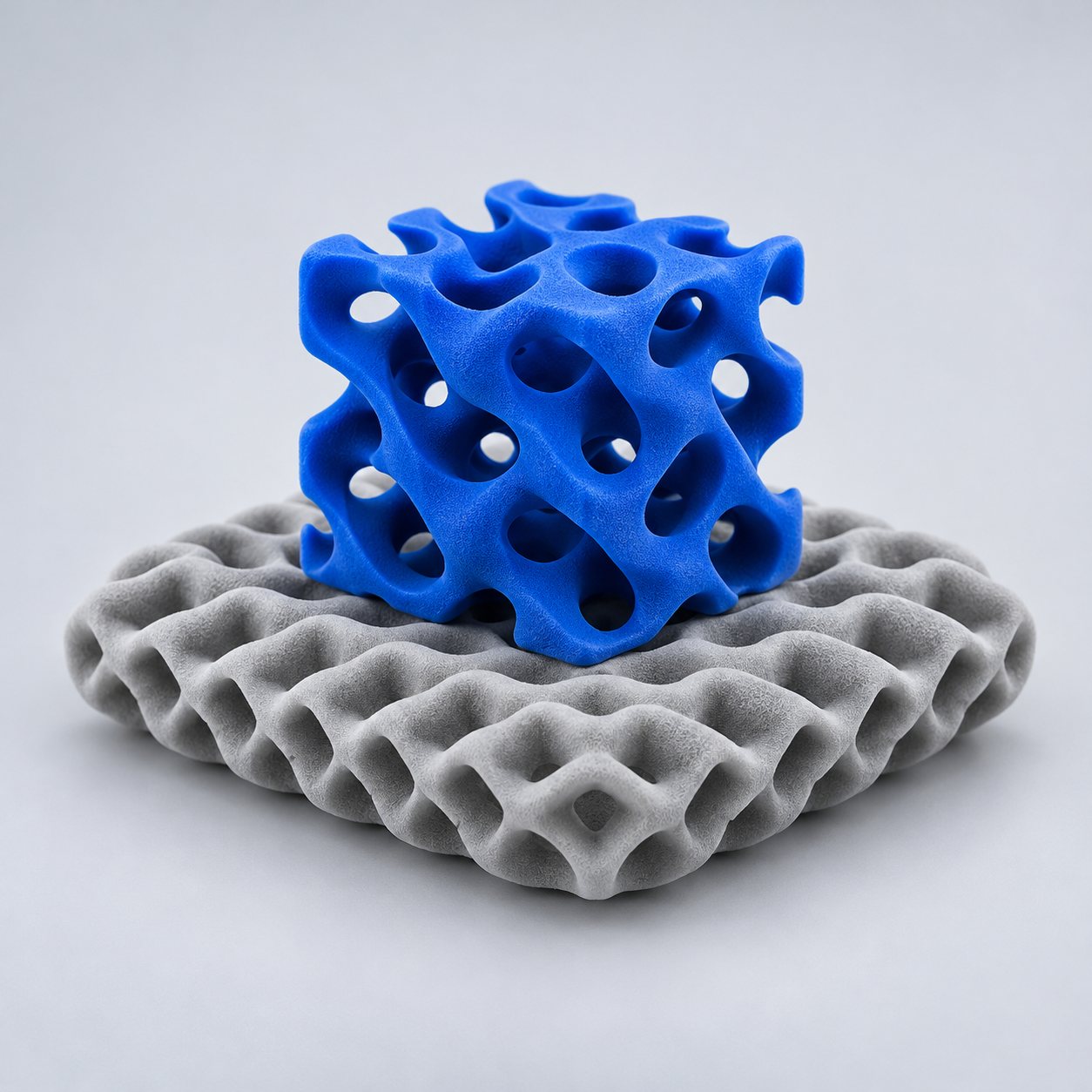
MANUFACTURER SPOTLIGHT
Formlabs
Explore the material range.
Find the exact formulation, available formats and processing documentation in the supplier’s collection.
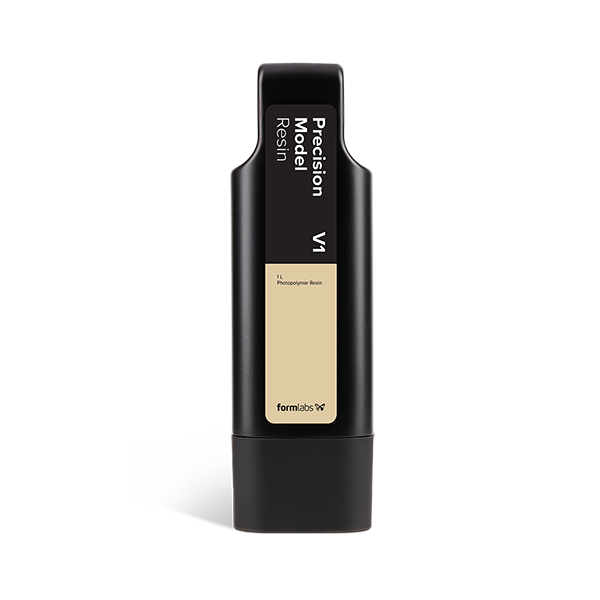
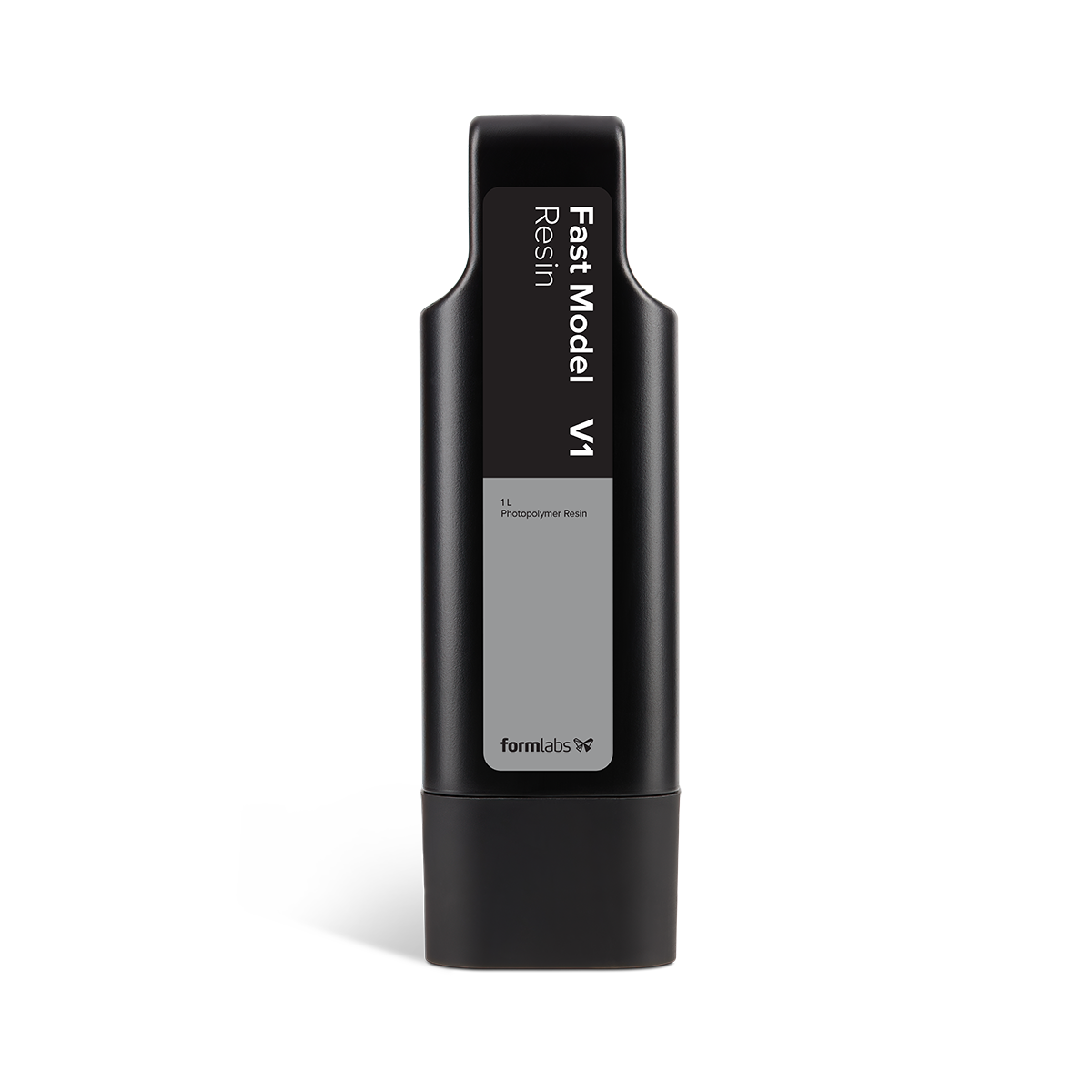
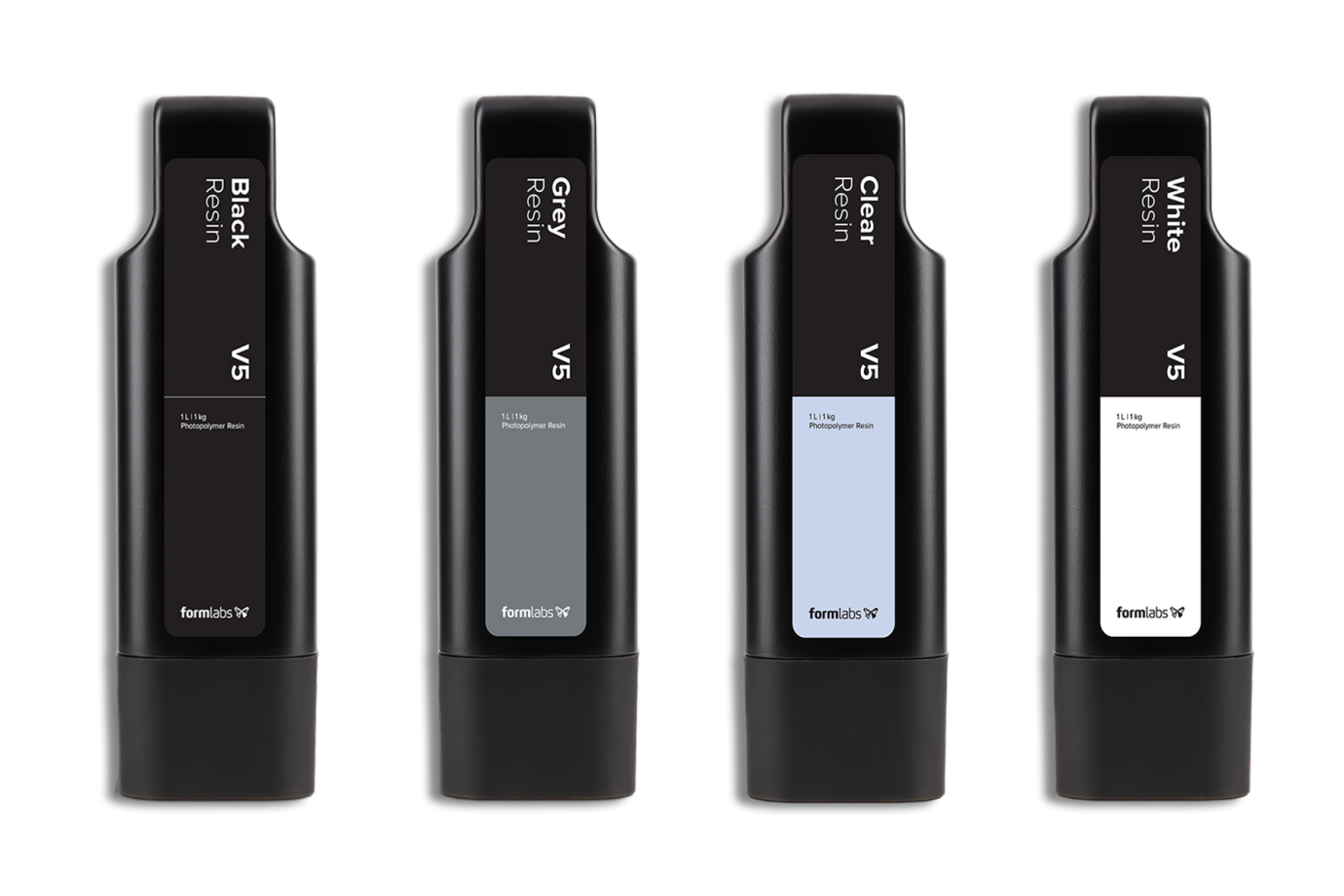
Polymer powder bed fusion
Elastomeric powder for compliant printed geometries.
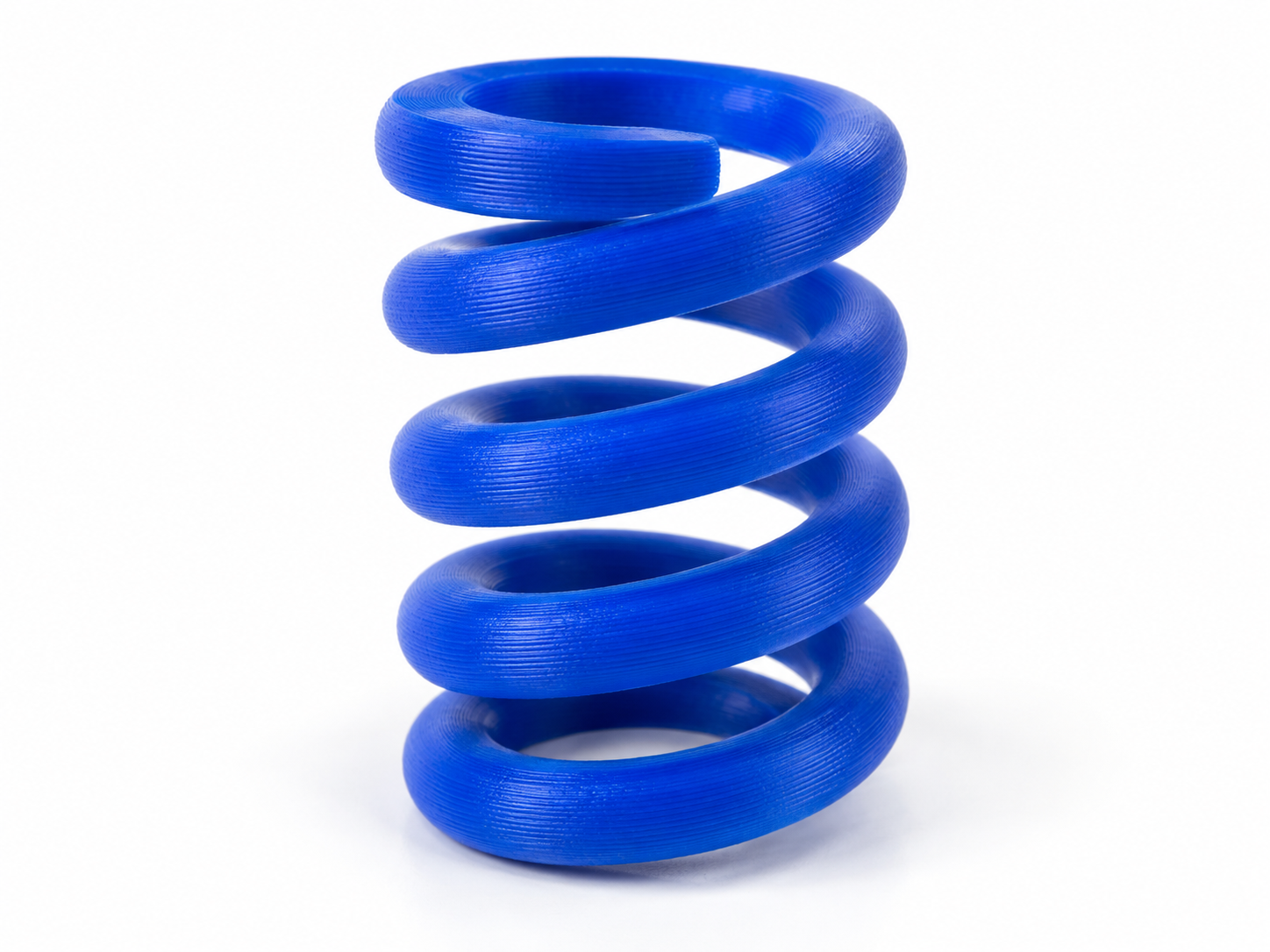
Find your next material.
Explore manufacturers, finishes and colors. Open a product for the detail, or shortlist up to four to compare.
Illustrative AI-generated applications. Suitability depends on the grade, design and process.
THE PEOPLE BEHIND THE MATERIALS
Explore material collections and supplier documentation.
Material sources →MANUFACTURER SPOTLIGHT
Find the exact formulation, available formats and processing documentation in the supplier’s collection.
MANUFACTURER SPOTLIGHT
Find the exact formulation, available formats and processing documentation in the supplier’s collection.
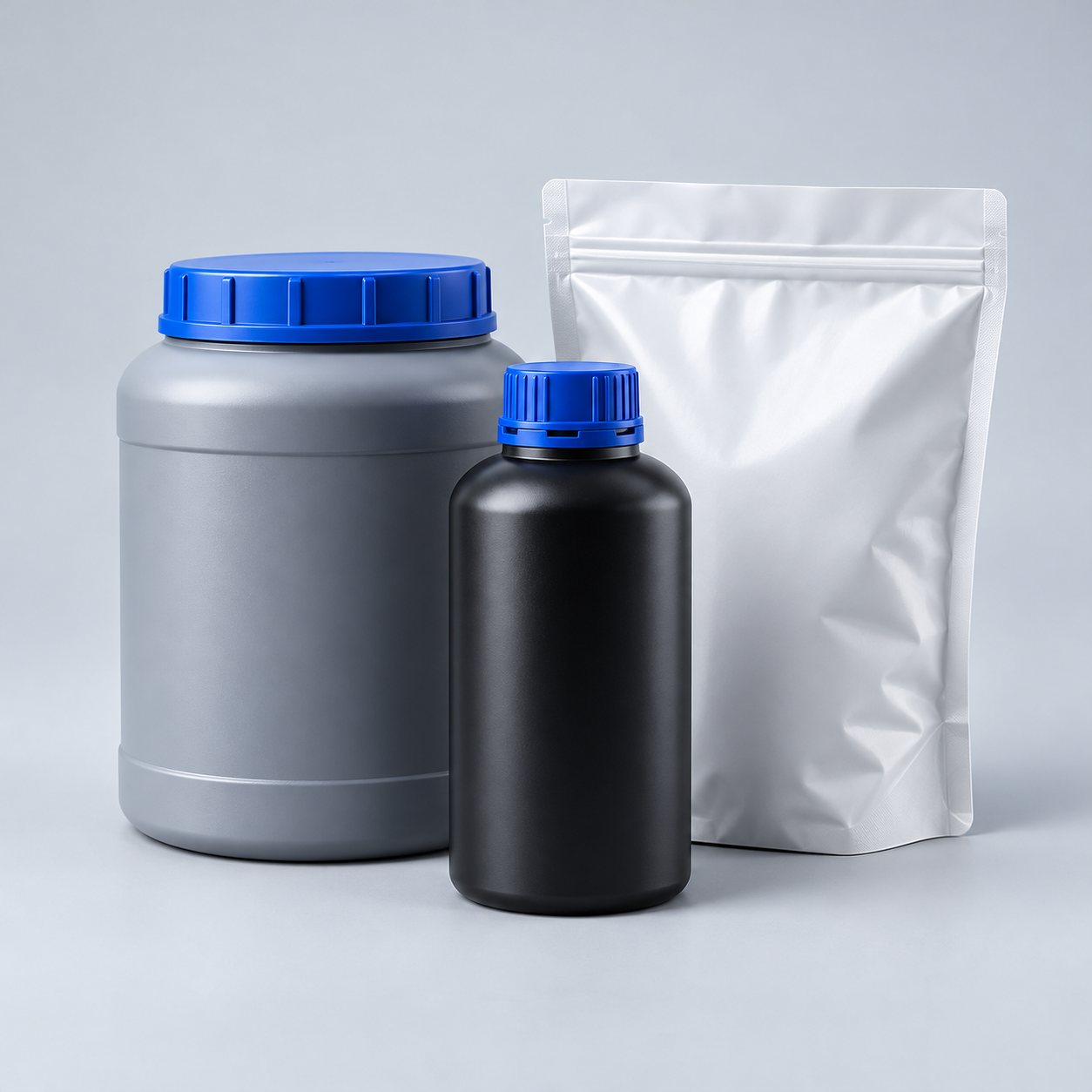
Color range: see supplier · Grade-specific options
Color range: see supplier · Grade-specific options
Explore the wider ecosystem
Alphabetical directory, not a quality ranking. Product lines group colors and pack sizes where documented. Regional, earlier and specialty formulations may have different availability.
Trust the context
0 products have captured review evidence. Unverified scores are excluded from rating sorts. A supplier-store score may combine colors and pack sizes, and cannot establish the best manufacturer across the market.
Scores are retained with source, count, date and variant scope. No paid placement, invented stars, inferred approvals or universal performance scores are used. Different platforms have different review populations; use the original reviews to inspect failures and printer setups. Color chips approximate screen appearance and are not calibrated samples. Supplier links may open a catalog where an individual product page is not recorded.
Elastomeric powder for compliant printed geometries. Evaluate the benefits alongside the limitations of the exact grade and printing process.
From feedstock to finished part
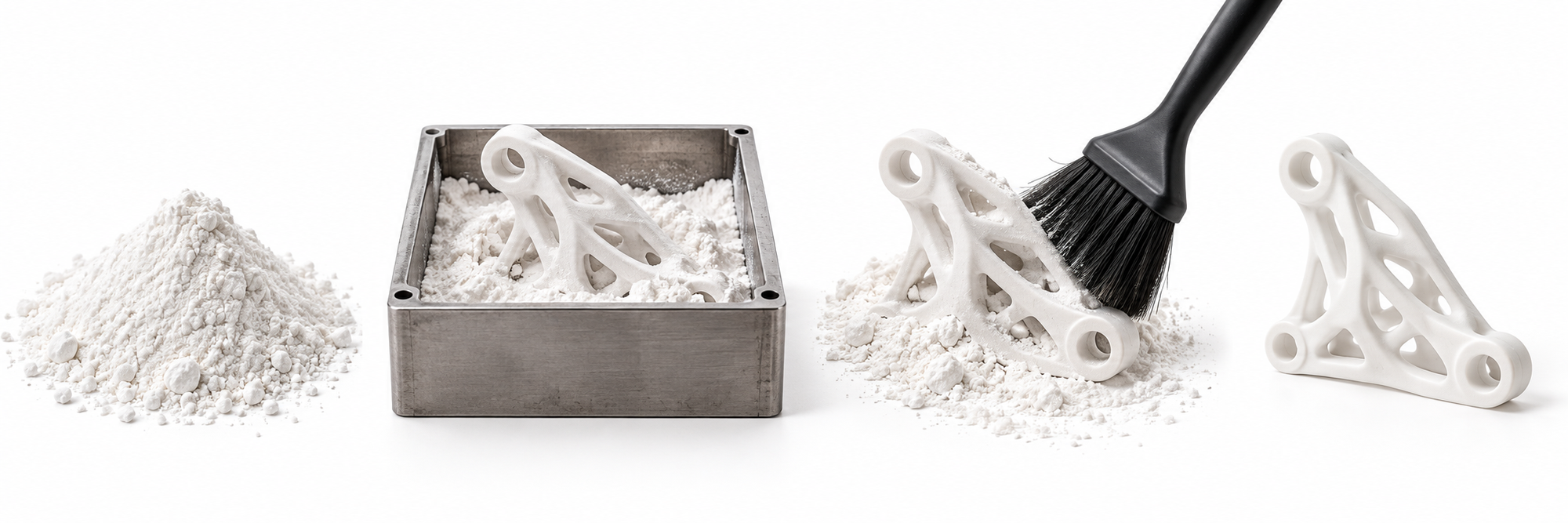
This workflow is an overview. Use the supplier’s actual machine profile, handling instructions and finishing protocol.
Where to start
Application examples are starting points for evaluation. Validate the exact material, geometry and process against your part requirements.
The other side of the choice
Evidence, with context
Supplier example: EOS TPU 1301. These values describe this named product, not the entire family.
Supplier overview values; orientation, conditioning and specimen details are not specified in the overview. Consult the grade datasheet before design use. HDT load: 1.80 MPa.
Follow the evidence
Family guidance expanded October 17, 2026. Source dates are shown individually. Catalog pages establish available material classes; product-level qualification requires the specific datasheet.