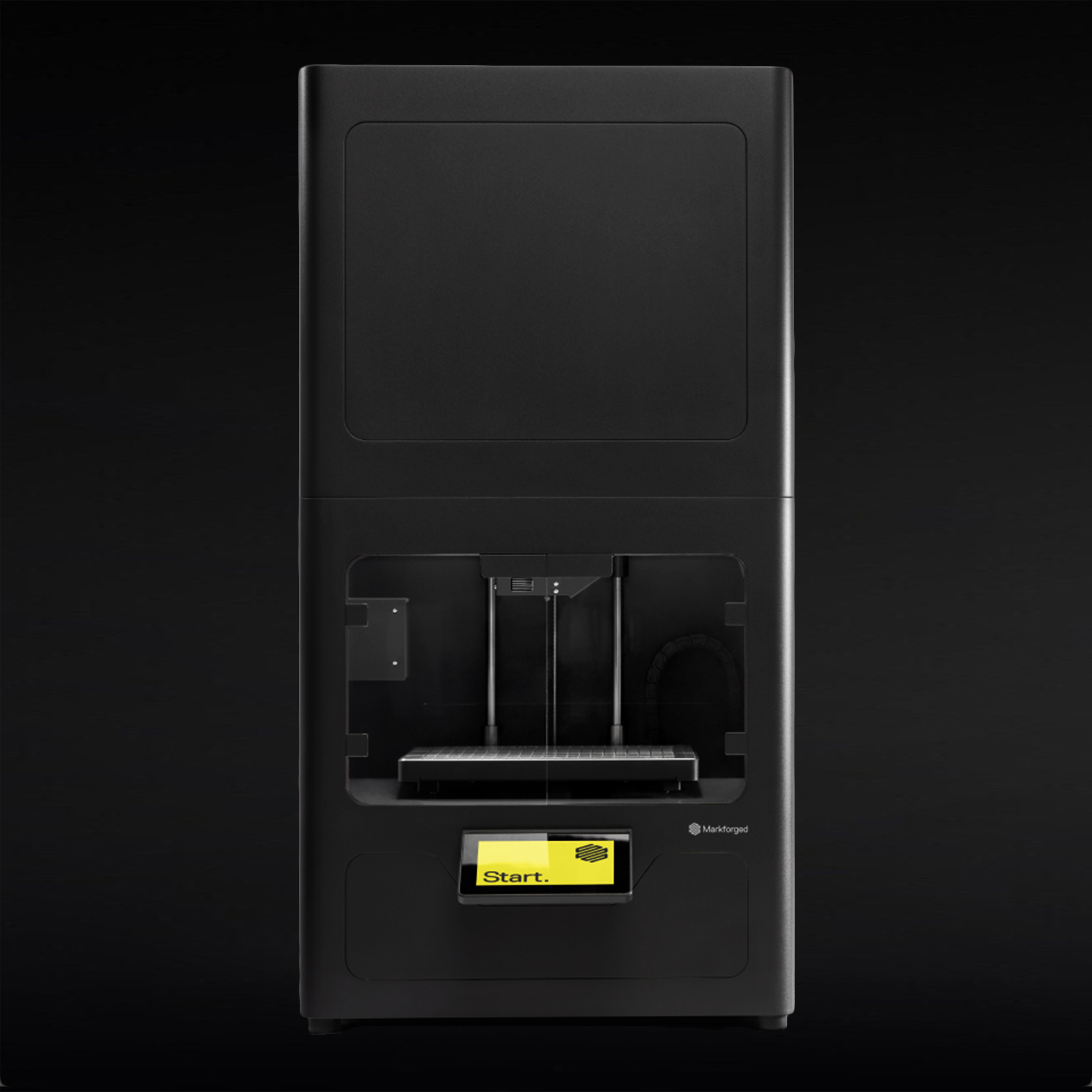
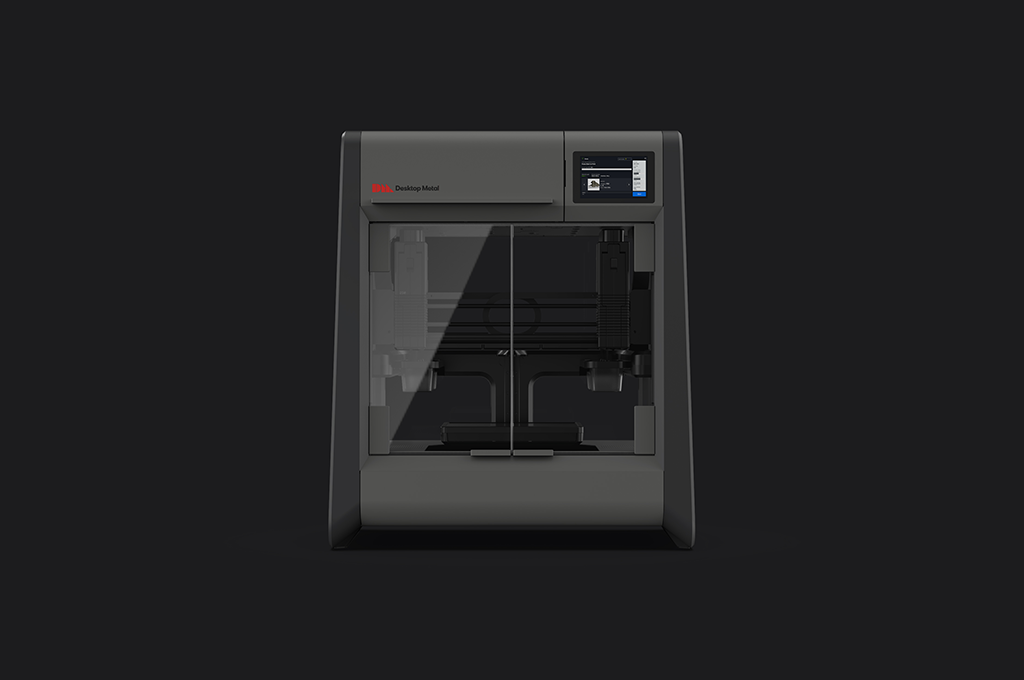
 Bound metal extrusionManufacturer image: Desktop Metal
Desktop Metal Studio System 2
Bound-metal-rod extrusion system with a print-and-sinter workflow.
Source reviews: 2026-10-16.
Specifications are reported claims, not independent test results.
The details that matter.
Published specifications for this model. Follow a field's source for its configuration and measurement conditions; older fields refer to the profile's reference list.
| Introduction year | Not verified |
|---|---|
| Model family | Bound metal extrusion |
| Process | Bound metal extrusion |
| Build envelope (X × Y × Z) | 300 × 200 × 200 mm |
| Nominal box volume | 12.00 L · calculated from the envelope |
| Enclosure | Not verified |
| Materials cited in this profile | Bound metal feedstock |
| Manufacturer listing status | Official documentation available; current order availability not confirmed |
| Regional stock and price | Check the manufacturer |
| Market grouping | Industrial · editorial grouping |
Technical specifications
| Standard Nozzle (µm) | 400 |
|---|---|
| High Resolution Nozzle (µm) | 250 |
| Furnace Retort Dimensions (mm) | 300 × 200 × 170 |
| Furnace Peak Temperature (°C) | 1400 |
| Furnace Atmospheres | Argon, Argon/hydrogen blend, Inert vacuum |
| Maximum Wall Thickness (mm) | 4 Manufacturer’s current customizable-print-setting limit; geometry/material suitability still applies. |
| Maximum Fully Dense Thickness (mm) | 5.25 No-infill part thickness stated by manufacturer, not maximum external part dimension. |
| Software | Live Studio |
| Feedstock | Polymer-bound metal rods |
| Support Interface | Ceramic separation layer |
Print and sinter
Studio System 2 extrudes bound metal rods to create a green part. Its compatible material formulations remove the separate solvent-debinding stage: binder removal and densification occur in the furnace. Live Studio scales the part and prepares its support structures.
Printer and furnace capacity
The printer’s 300 × 200 × 200 mm area is larger in Z than the listed 300 × 200 × 170 mm furnace retort. The 250 µm and 400 µm nozzle choices trade feature scale against deposition. Ceramic interfaces and seams are used to help separate supports after processing.
Explore the model family.
An exact introduction year has not been established in the reviewed sources.
Family: Bound metal extrusion · Listing status only
Explore Desktop Metal through the generationsRead this with the specifications
Build area is the printer area. Final sintered-part dimensions and furnace clearance are separate constraints.
A larger nominal envelope does not establish better print quality. Fit depends on the configuration, usable area, supports, and orientation.