UCL researches stronger printed lattices for lightweight components
A geometry inspired by crystal twinning changes how small lattice structures carry loads.
What happened
UCL researchers reported triply-twinned lattice structures in August, using mirrored geometry to encourage struts to stretch under load rather than bend. The study targets strength and stiffness without simply adding more material.
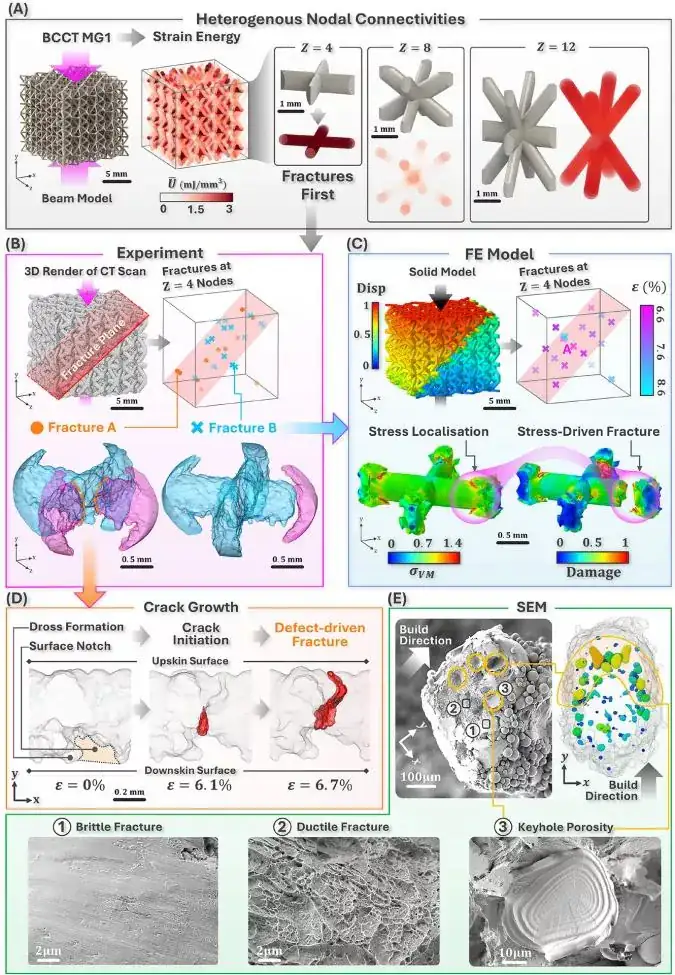
The team combined printed samples with synchrotron X-ray imaging to examine internal defects and fracture. The findings also show that print orientation can materially affect the way defects influence failure.
Potential applications include lightweight vehicle components, heat exchangers and orthopedic implants. These are proposed uses of the research, not announcements of qualified products. Translating the approach requires application-specific testing and control of the printing defects that affect the finished structure.
Read the sources
Primary-source reporting; this is not a hands-on review. Sources checked Oct 24, 2026.