NIST researchers use laser motion to improve alloy mixing during printing
Looping laser paths offer a way to mix metal powders more thoroughly during additive manufacturing.
What happened
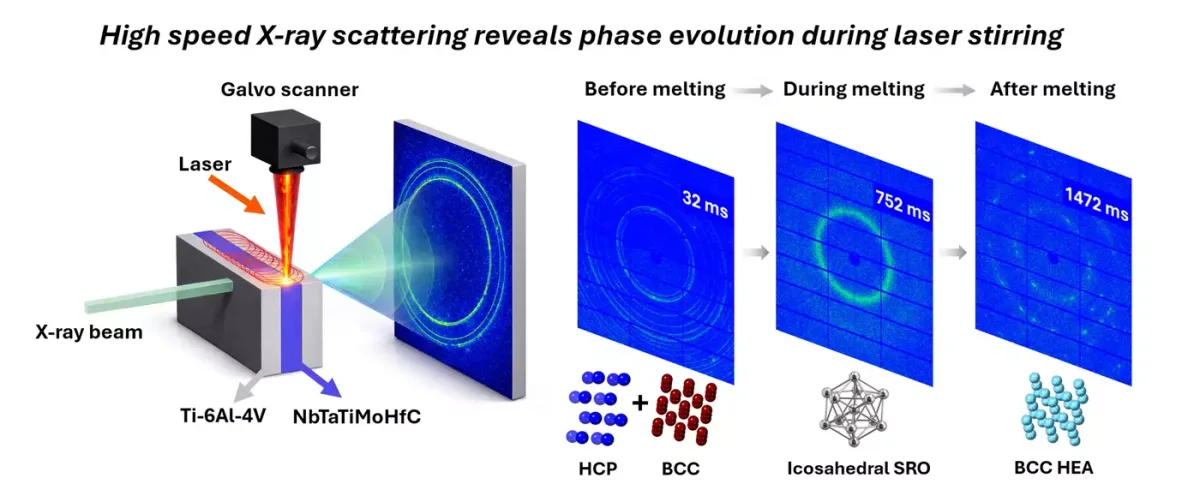
NIST researchers described a laser-based mixing approach in June that changes how metal powders interact in the melt pool. Instead of relying only on straightforward scan paths, the technique uses looping motions to stir the molten material.
The research combines customized control software with existing equipment. X-ray observations at Argonne helped the team study the mixing process and connect laser motion with what happens beneath the surface.
The work points toward making alloys from constituent powders with better control over their distribution. It remains a research result, rather than a ready-made process for every commercial printer or alloy. The broader opportunity is to explore compositions that are difficult to evaluate through conventional preparation.
Read the sources
Primary-source reporting; this is not a hands-on review. Sources checked Oct 24, 2026.