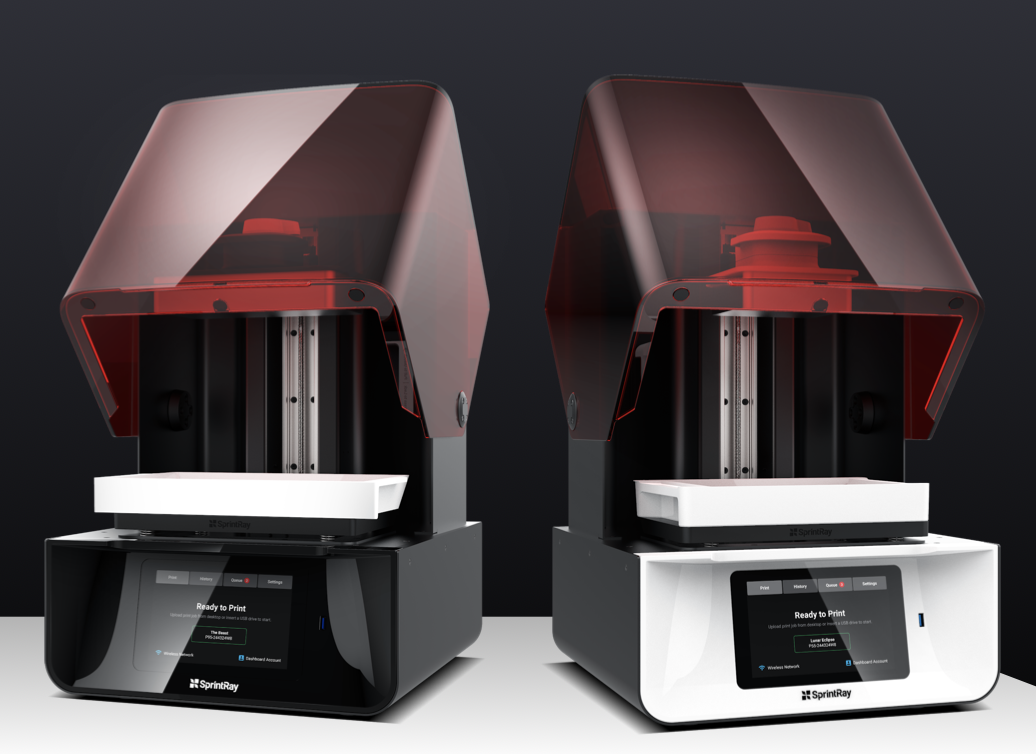
 DLPManufacturer image: SprintRay
SprintRay Pro 95
Earlier SprintRay Pro-generation dental resin printer documented alongside Pro 55.
Source reviews: 2026-10-16.
Specifications are reported claims, not independent test results.
The details that matter.
Published specifications for this model. Follow a field's source for its configuration and measurement conditions; older fields refer to the profile's reference list.
| Introduction year | Not verified |
|---|---|
| Model family | Pro |
| Process | DLP |
| Build envelope (X × Y × Z) | Not verified |
| Nominal box volume | Not verified |
| Enclosure | Not verified |
| Materials cited in this profile | Photopolymer resin |
| Manufacturer listing status | Unknown |
| Regional stock and price | Check the manufacturer |
| Market grouping | Professional · editorial grouping |
Technical specifications
| Shared Platform | Common projector, hardware family and software with the other Pro variant |
|---|---|
| Image Processing | Pixel Toning |
| Remote Monitoring | SprintRay Dashboard |
| Material Platform | Shared Pro resin platform |
Position in the original Pro family
The 2020 Pro55 announcement explains that Pro55 and Pro95 share the underlying hardware and software platform.
Different production emphasis
SprintRay positions Pro95 for flexible, higher-throughput dental model production. These are historical Pro models, separate from Pro S.
Explore the model family.
Documented in the October 28, 2020 Pro 55 announcement; the exact Pro 95 introduction year is not established here.
Family: Pro · Historical model
Explore SprintRay through the generationsRead this with the specifications
The official announcement identifies Pro 95 and Pro 55 as projector-based resin printers sharing a platform. No Pro 95 build dimensions or resolution are inferred from its model number.
A larger nominal envelope does not establish better print quality. Fit depends on the configuration, usable area, supports, and orientation.
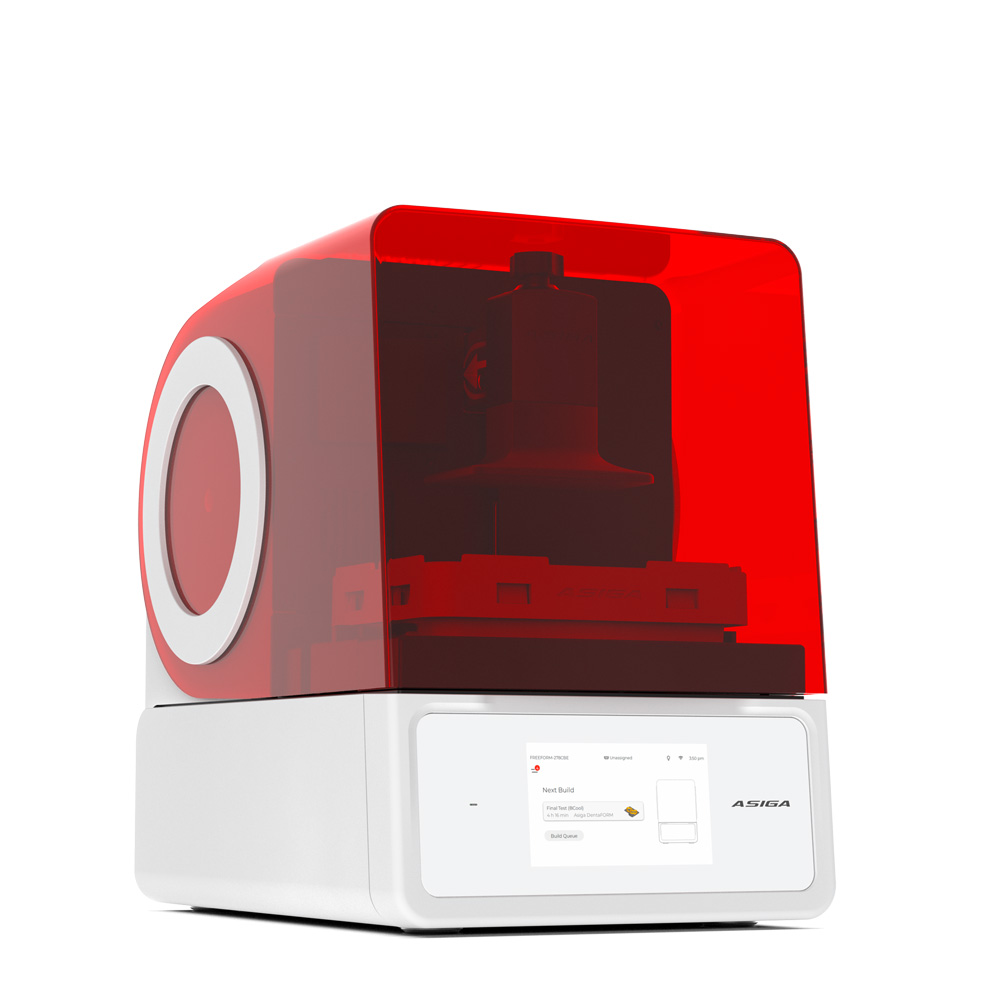
MAX 2 (50)
Manufacturer MAX 2 platform image used for this exact configuration. Internal optical or application differences are not visible in the shared exterior.