MakerBot
FDM / FFF
MakerBotA world of possibilities.
MakerBot's kit-printers origins led to assembled Replicator systems, Stratasys ownership and a later merger with Ultimaker.
5printersin the collection
1technologyFDM / FFF
2009FoundedMakerBot
Manufacturer reference
Where this maker fits.
Model documentation verified · References checked 2026-10-16
Official manufacturer reference- Technologies in this record
- FFF
- Applications in this record
- Consumer
- Material families
- PLA
- Entry type
- Brand / historical brand
- Documented model years
- 2009–2016
Different ways to make
The technology
behind the object.
MakerBot technologies represented in this collection.
Through the generations
Every generation
begins somewhere.
Dates describe the event stated in the source, such as an announcement or product launch.
- 2009
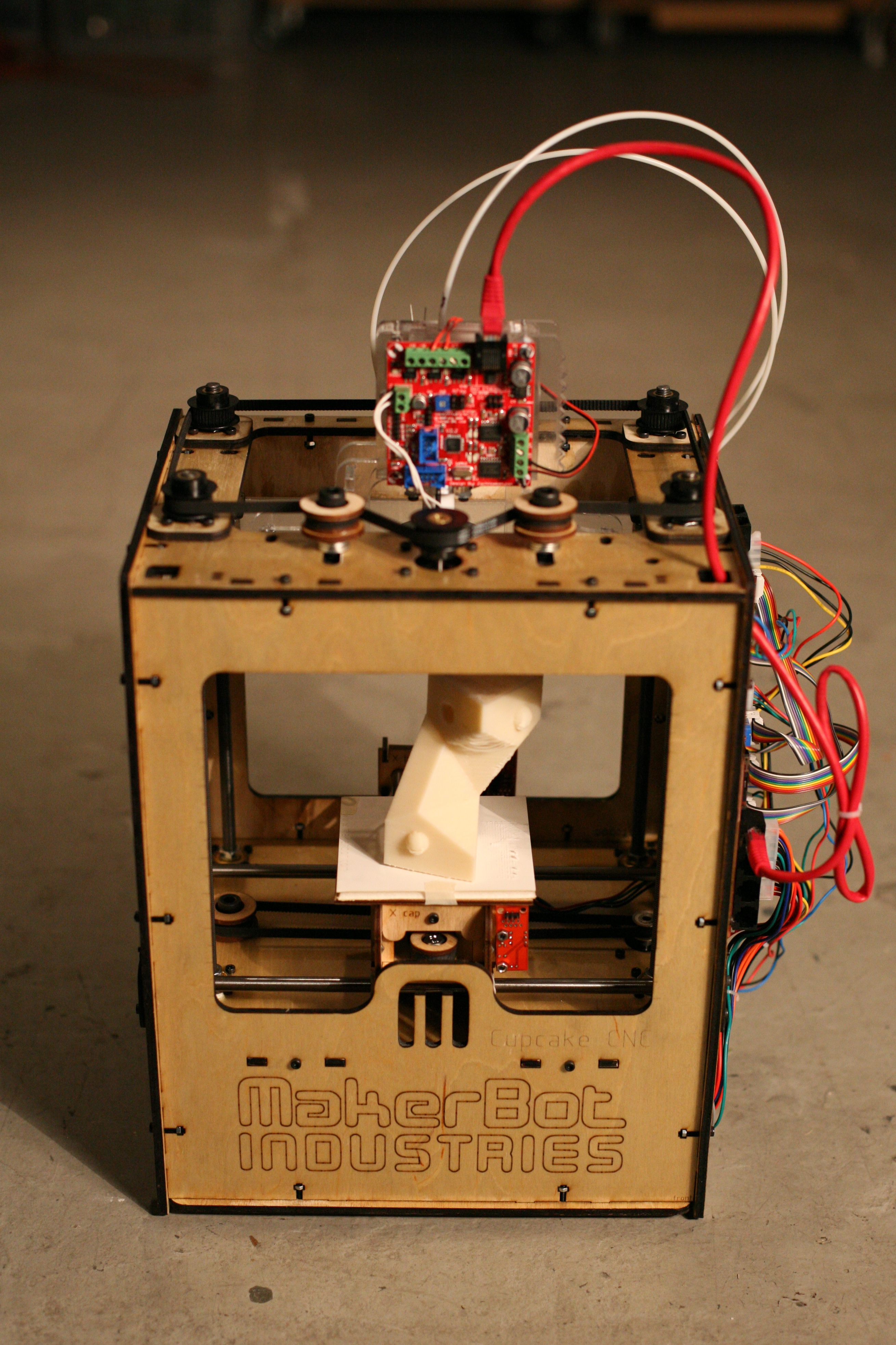
MakerBot and Cupcake
MakerBot was founded in 2009 and introduced its first Cupcake printer.
- 2010
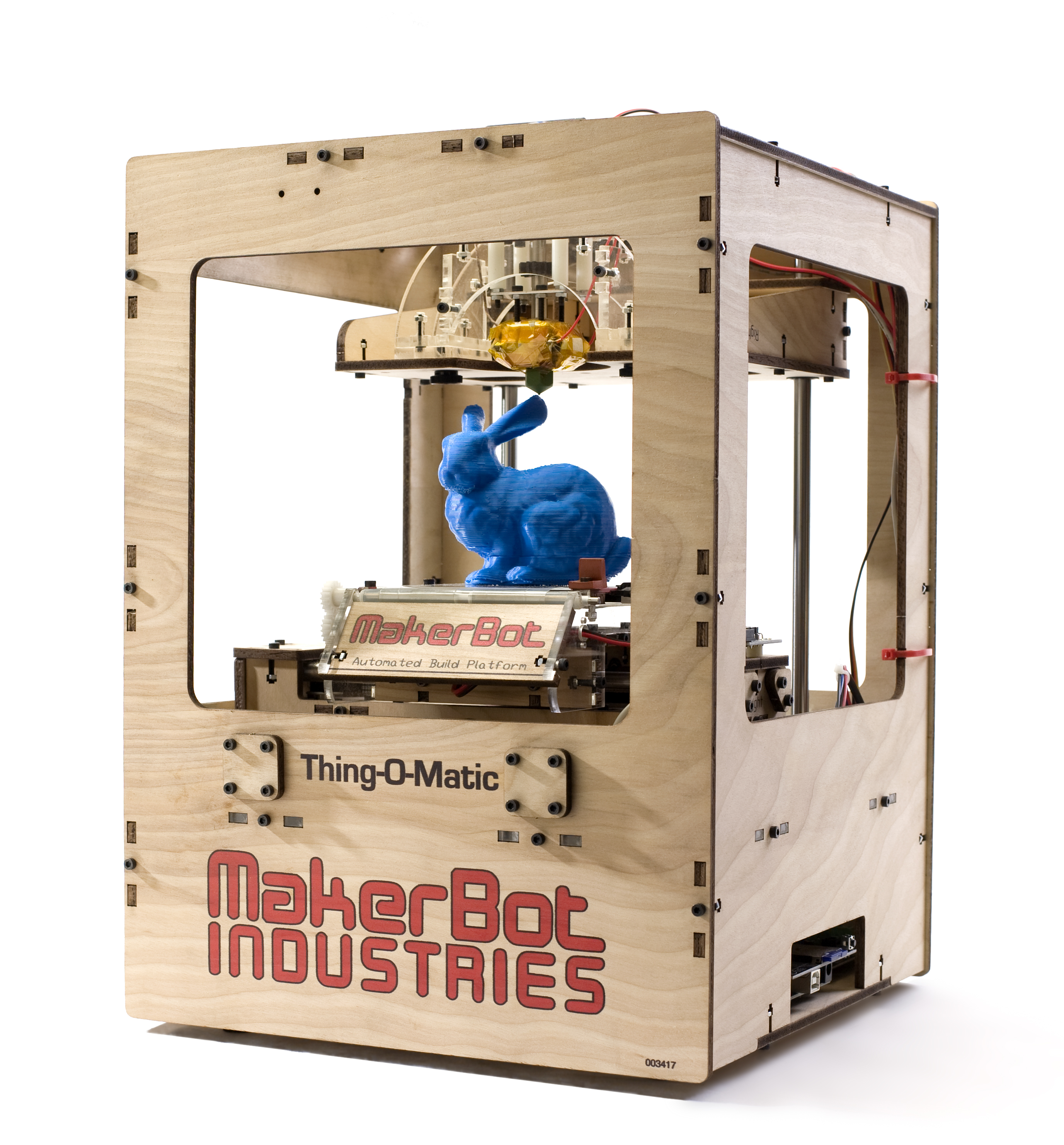
Thing-O-Matic
The next kit incorporated an automated conveyor build platform.
- 2012
Replicator family
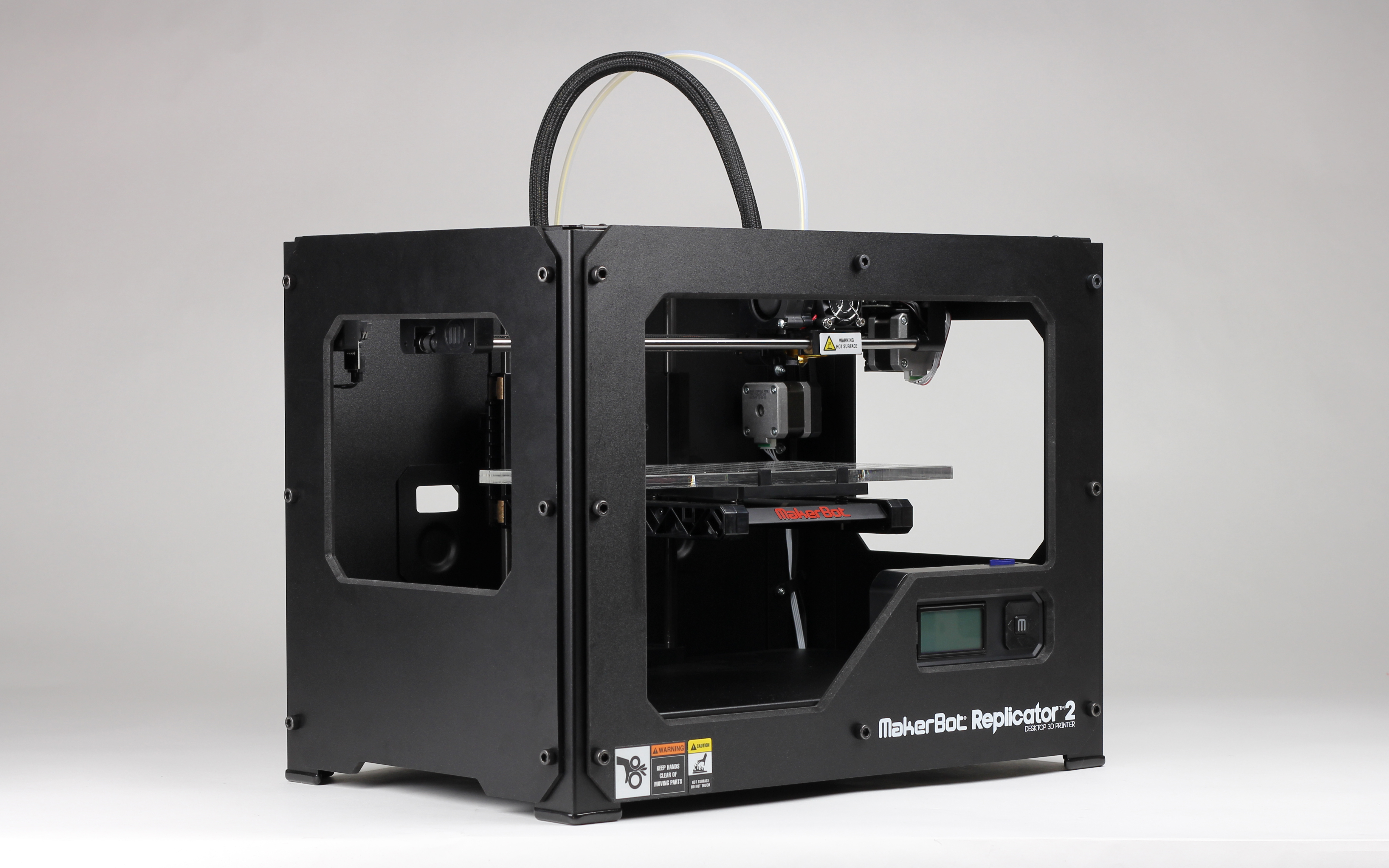
The original Replicator launched at CES; Replicator 2 followed in September.
- 2013
Stratasys acquisition
Stratasys completed its acquisition of MakerBot on August 15.
- 2016
Replicator+ launch
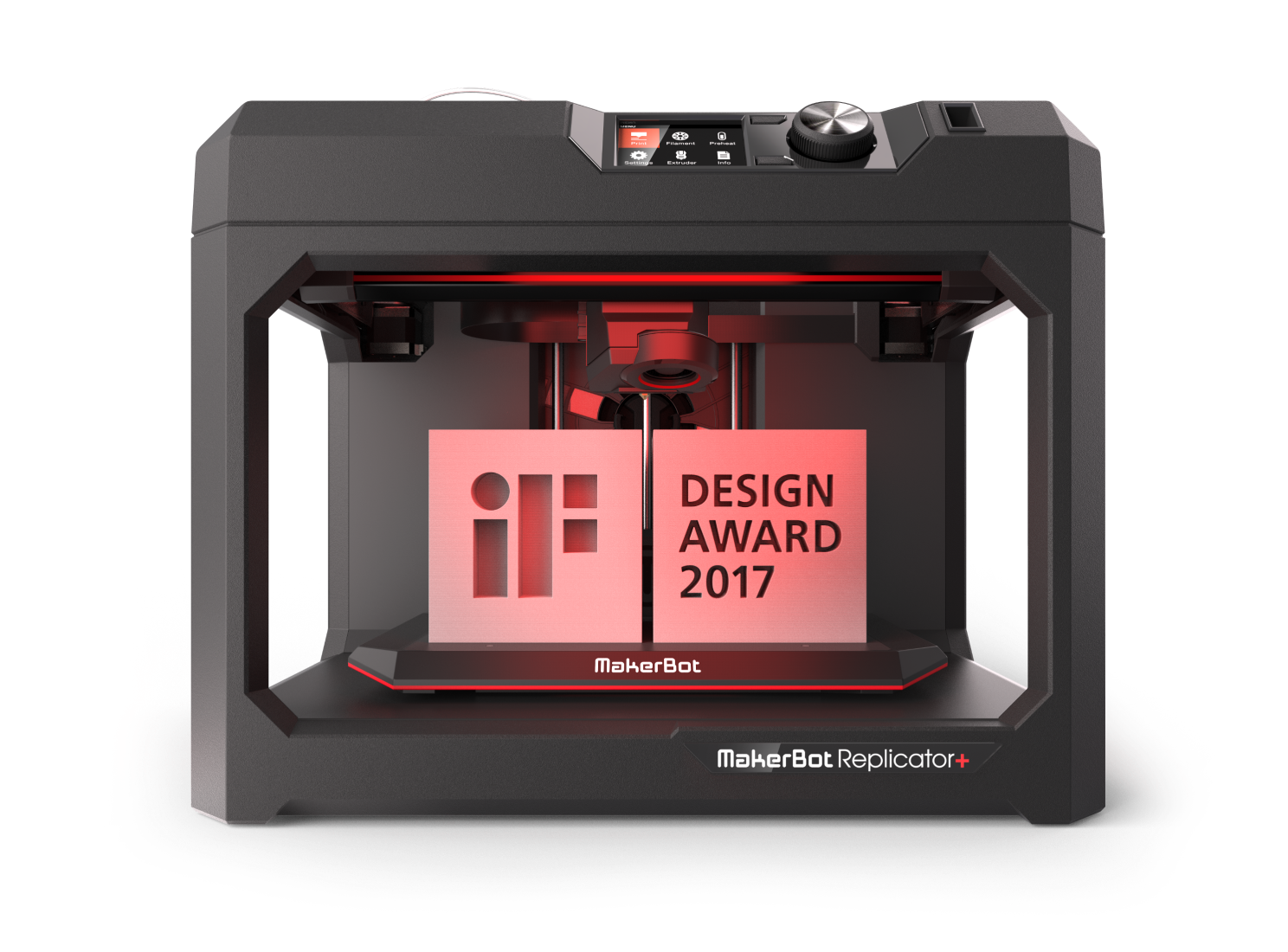
MakerBot introduced Replicator+ and Replicator Mini+ on September 20.
- 2022
Merger with Ultimaker
The merger closed August 31 and was publicly announced as completed September 13. The combined company used UltiMaker.
Behind the collection
Details you can
trace to the source.
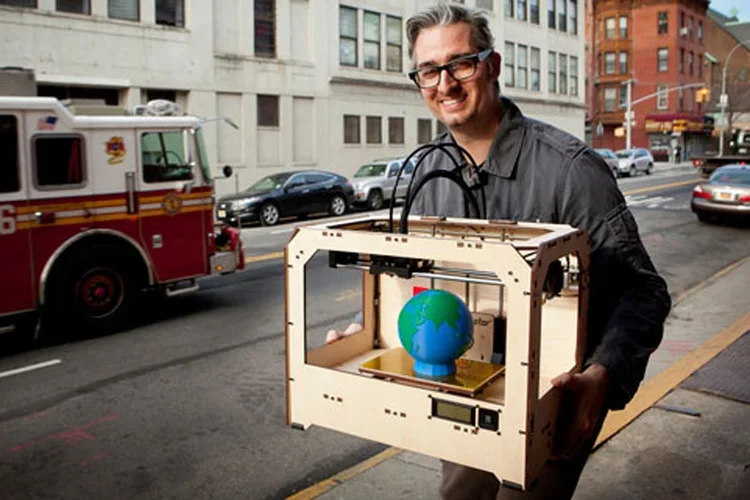
Early-machine narrative includes the cofounder's first-hand history. The original 2012 Replicator is distinct from the 2014 fifth-generation model.
View the manufacturer recordSources & collection notes +
Historical means the machine is included for its place in the lineage. It does not by itself establish a discontinuation date or an end to support. Undocumented fields remain marked as not verified.
- The Machines — founder's first-hand product history Bre Pettis (MakerBot cofounder) · Checked 2026-10-16
- The Machines — MakerBot history by co-founder Bre Pettis Bre Pettis, MakerBot co-founder · Checked 2026-10-16
- MakerBot Replicator series discontinuation notice MakerBot · Checked 2026-10-16
- MakerBot Replicator (original) — official product information MakerBot · Checked 2026-10-16
- MakerBot Replicator 2 brochure MakerBot · Checked 2026-10-16
- MakerBot launches Replicator+ and Replicator Mini+ Stratasys / MakerBot · Checked 2026-10-16
- MakerBot Replicator+ — official product information MakerBot · Checked 2026-10-16
- MakerBot company history at 100,000 printers Stratasys / MakerBot · Checked 2026-10-16
- Stratasys completes acquisition of MakerBot Stratasys · Checked 2026-10-16
- Stratasys financial filing: MakerBot merger closed August 31, 2022 Stratasys · Checked 2026-10-16
- Ultimaker and MakerBot announce merger completion MakerBot / UltiMaker · Checked 2026-10-16