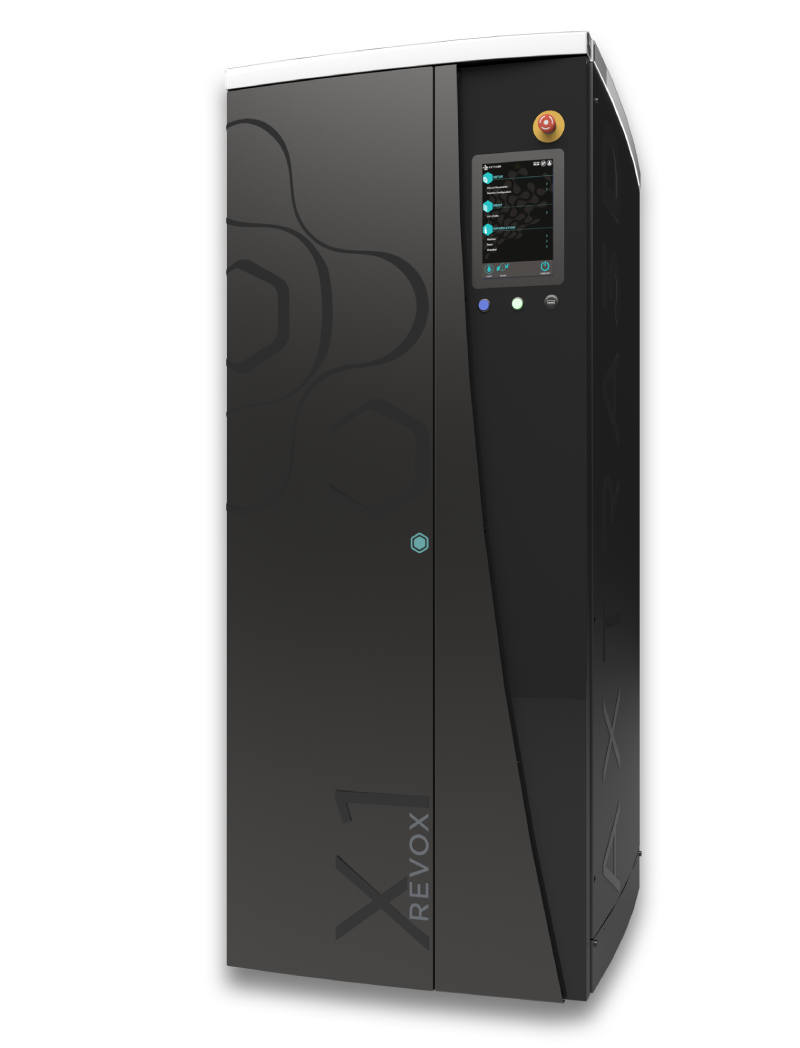
 DLPManufacturer image: Axtra3D
Axtra3D Revox X1
DLP configuration of Axtra3D's production platform.
Source reviews: 2026-10-17.
Specifications are reported claims, not independent test results.
The details that matter.
Published specifications for this model. Follow a field's source for its configuration and measurement conditions; older fields refer to the profile's reference list.
| Introduction year | Not verified |
|---|---|
| Model family | X1 |
| Process | DLP Sources: Lumia X1 and Revox X1 comparison |
| Build envelope (X × Y × Z) | 249 × 140 × 495 mm Layer range is material- and design-dependent; optical architectures differ. Sources: Lumia X1 and Revox X1 comparison |
| Nominal box volume | 17.26 L · calculated from the envelope Layer range is material- and design-dependent; optical architectures differ. Sources: Lumia X1 and Revox X1 comparison |
| Enclosure | Not verified |
| Materials cited in this profile | 405 nm photopolymer resin |
| Manufacturer listing status | Manufacturer documentation verified; availability not established |
| Regional stock and price | Check the manufacturer |
| Market grouping | Industrial · editorial grouping |
Technical specifications
| Resolution Claim (µm) | 65 Sources: Lumia X1 and Revox X1 comparison |
|---|---|
| Layer Thickness (µm) | 25–200 Sources: Lumia X1 and Revox X1 comparison |
Design and workflow
Revox uses DLP exposure and the company's adaptive layer separation.
Configuration and evidence
Layer range is material- and design-dependent; optical architectures differ.
Explore the model family.
An exact introduction year has not been established in the reviewed sources.
Family: X1 · Listing status only
Explore Axtra3D through the generationsRead this with the specifications
Layer range is material- and design-dependent; optical architectures differ.
A larger nominal envelope does not establish better print quality. Fit depends on the configuration, usable area, supports, and orientation.
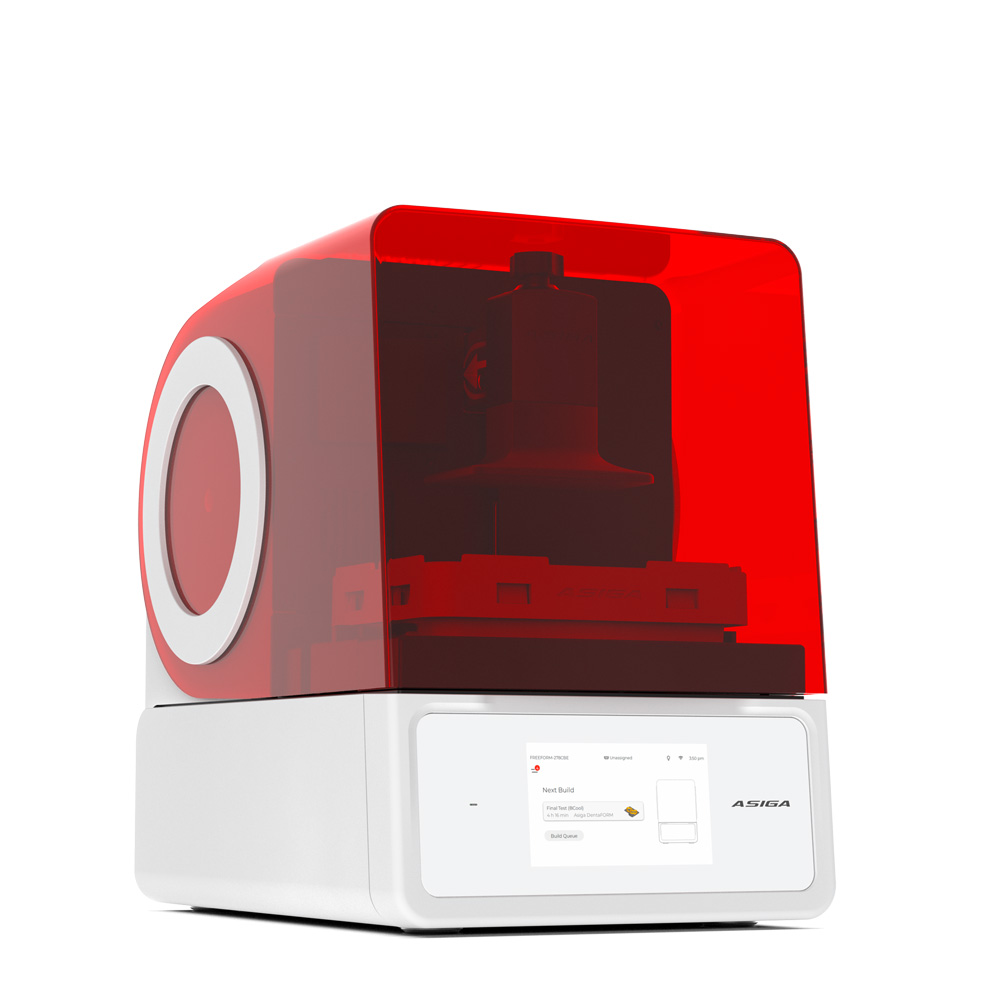
MAX 2 (50)
Manufacturer MAX 2 platform image used for this exact configuration. Internal optical or application differences are not visible in the shared exterior.