3D Systems Cube (first generation)
3D Systems' first home printer, introduced as the Cube consumer platform.
Source reviews: 2026-10-16.
Specifications are reported claims, not independent test results.
The details that matter.
Published specifications for this model. Follow a field's source for its configuration and measurement conditions; older fields refer to the profile's reference list.
| Introduction year | 2012 |
|---|---|
| Model family | 3D Systems Cube |
| Process | FFF |
| Build envelope (X × Y × Z) | Not verified |
| Nominal box volume | Not verified |
| Enclosure | Not verified |
| Maximum nozzle temperature | Not verified |
| Materials cited in this profile | Not verified |
| Manufacturer listing status | Discontinued |
| Regional stock and price | Check the manufacturer |
| Market grouping | Desktop · editorial grouping |
Technical specifications
| Announcement Date | 2012-01-09 |
|---|---|
| Announced Price (USD) | 1299 |
| Announced Weight | Under 9 lb |
| Material Loading | EZ Load cartridge |
| Interface | Touchscreen |
| Included Designs At Launch | 50 |
The first Cube
3D Systems announced this original consumer Cube in January 2012, with commercialization planned for the first half of that year. Its launch package linked a touchscreen printer and cartridge-based material loading to the Cubify service.
Historical scope
The launch price and bundled printable designs describe the 2012 introduction. They are historical details, rather than a current offer or specifications for later Cube generations.
Introduced in 2012.
Unveiled January 9, 2012 at the CES launch period.
Family: 3D Systems Cube · Historical model
Explore 3D Systems through the generationsRead this with the specifications
The Cube family used plastic extrusion, marketed as Plastic Jet Printing. Consumer Cube production ended in December 2015; CubePro was a separate continuing line.
A larger nominal envelope does not establish better print quality. Fit depends on the configuration, usable area, supports, and orientation.
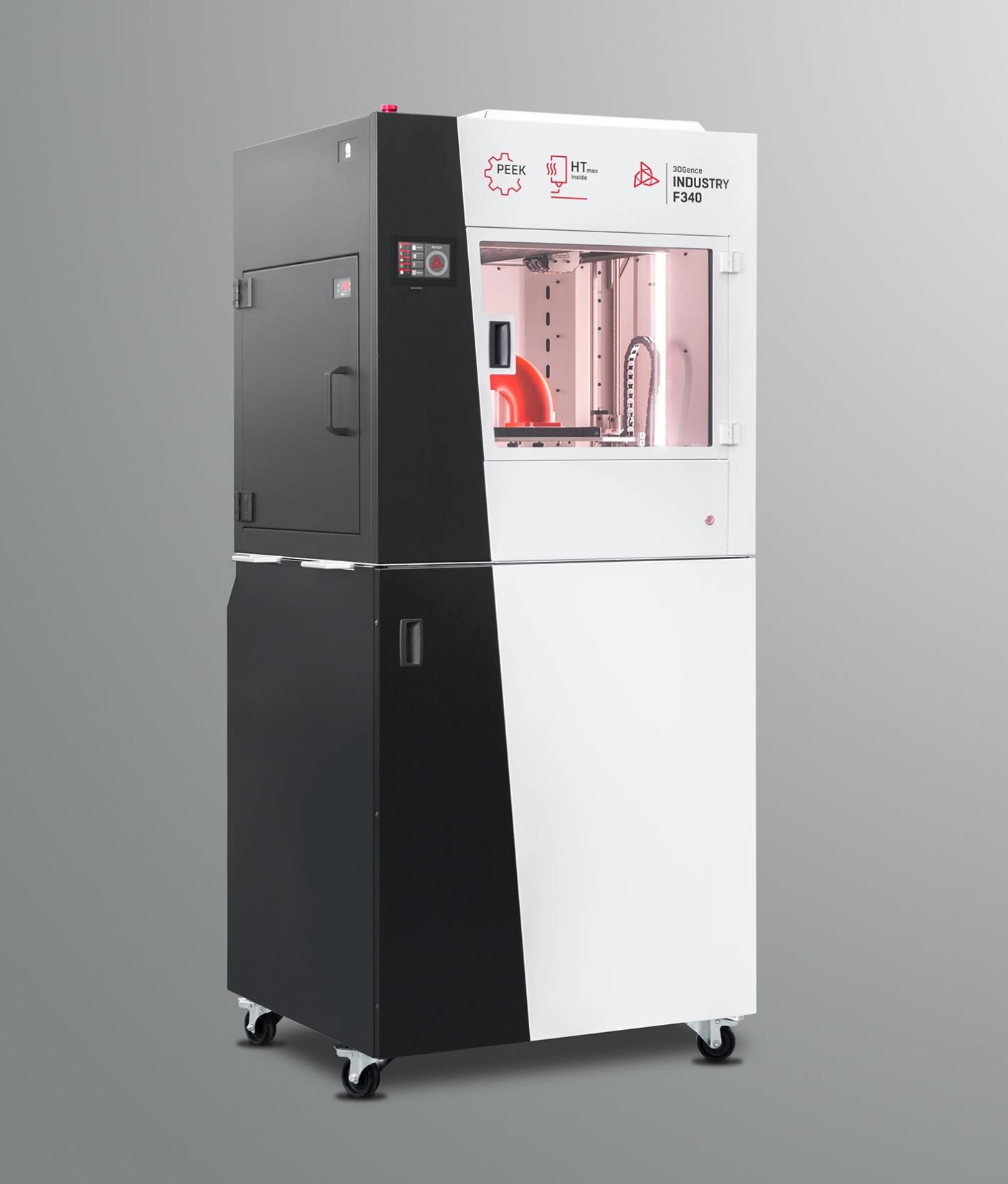
INDUSTRY F340
Manufacturer-issued brochure preserved by distributor Multi3DPrint; original manufacturer links are no longer available.
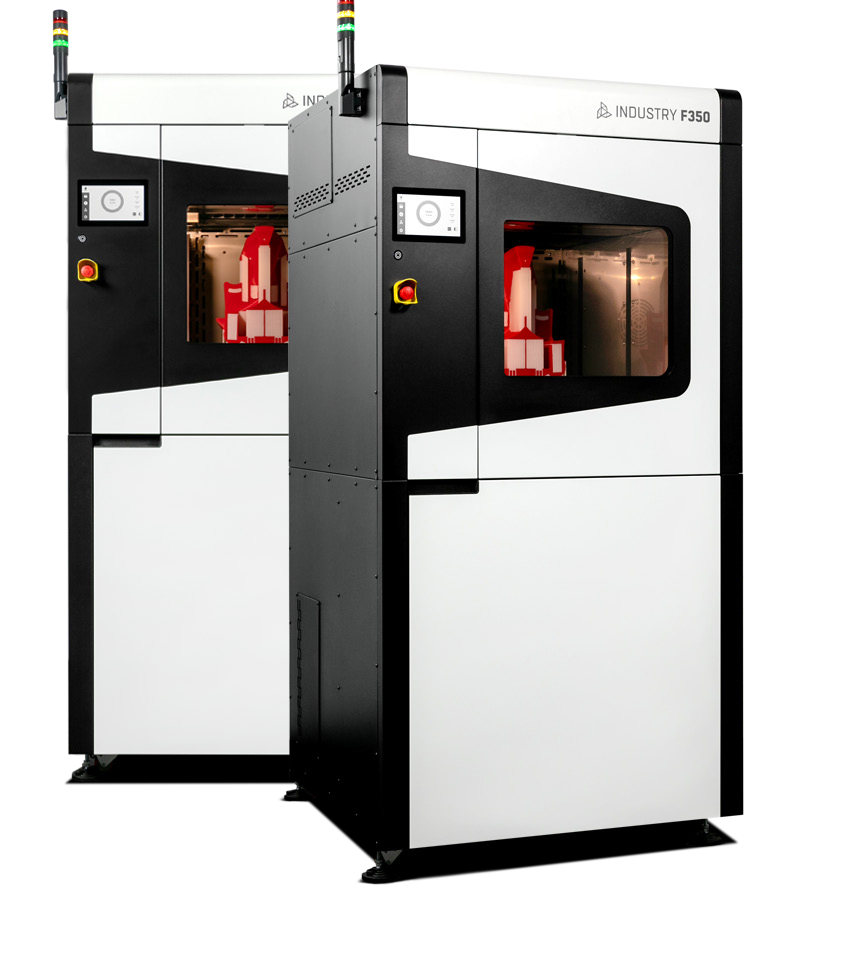
INDUSTRY F350
Two manufacturer views of INDUSTRY F350. Manufacturer-issued brochure preserved by distributor Multi3DPrint; original manufacturer links are no longer available.